
Hidden mould hotspots Sheffield homeowners should check after months of heavy rain – and why spring is the time to insulate

After an unusually wet start to the year, many Sheffield homeowners are finally seeing drier days. But while surface water may be receding, experts warn that moisture trapped inside homes could now be creating ideal conditions for mould.
Uri “Ori” Pearl, owner of insulation firm Nealon Insulation, says prolonged rain and saturated ground often lead to hidden mould growth in places most people never inspect.
“Mould problems rarely start where homeowners expect them to,” he explains. “By the time visible signs appear, it has probably already spread through the home’s structure.
“Mould exposure can also cause a variety of health issues, like allergic reactions, asthma and respiratory problems, and even lung infections. The longer you’re exposed to mould – especially in poorly-ventilated areas – the greater the health risk," he says.
With weeks of damp weather behind us, he says now is the time to check the areas most at risk.
Here are the areas Pearl says homeowners should inspect as spring approaches.
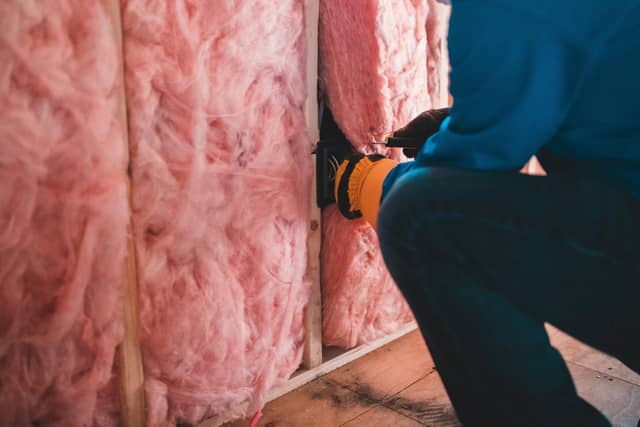
Attic insulation: “Many homeowners never look at their attic insulation until there’s a problem,” Pearl says. Improperly installed insulation can trap moisture between the roof and living space, with early warning signs often limited to a musty smell or slight ceiling discolouration.
Underfloor spaces and basements: After sustained rainfall, ground moisture can rise into homes through poorly protected crawl spaces. “An underfloor space without proper vapour barriers allows ground moisture to rise into your home,” he explains, feeding mould growth in joists and subflooring.
Around windows: Condensation around window frames can seep into surrounding wall cavities. “This moisture builds up gradually and seeps into the surrounding wall cavity where mould can develop unnoticed for months,” Pearl says.
Bathrooms and ventilation systems: Poor ventilation compounds the problem. “Bathrooms without working exhaust fans or with fans that vent into attics rather than outside the home are very problematic,” he notes, warning this creates a constant cycle of moisture accumulation.
Rim joists and ductwork: The junction where floor joists meet exterior walls is another overlooked hotspot, particularly in older properties. Leaky or poorly insulated ductwork can also create condensation that allows mould to grow inside ventilation systems.
Why spring and summer are the smartest time to act
With homes across Sheffield drying out after weeks of snow and rain, acting now could prevent far bigger – and more expensive – problems by next winter.
And according to Pearl, spring is one of the most strategic times to address insulation and moisture issues.
“Spring is often overlooked,” he says. “But it’s when winter problem areas are still fresh in your mind, and access to attics and crawl spaces is much easier than in mid-winter.”
Upgrading insulation in spring or early summer helps keep humidity under control, reduce the risk of condensation when temperatures drop again and improve overall airflow through the home. It also prepares properties for summer heat and the return of colder, wetter conditions later in the year.
“Good insulation plays a much bigger role in mould prevention than most homeowners realise,” he adds. “It helps regulate moisture throughout the house, which goes a long way toward keeping mould from taking hold in the first place.”