
‘I keep coming back to Sheffield’ – pub enthusiast uncovers fascinating history hiding in city’s streets
'I explored Sheffield's historic pubs – and reaffirmed why I keep coming back'
A pub enthusiast from Pontefract has shared the stories behind some of Sheffield’s oldest drinking spots after exploring the city’s historic pubs – including several which have now closed.
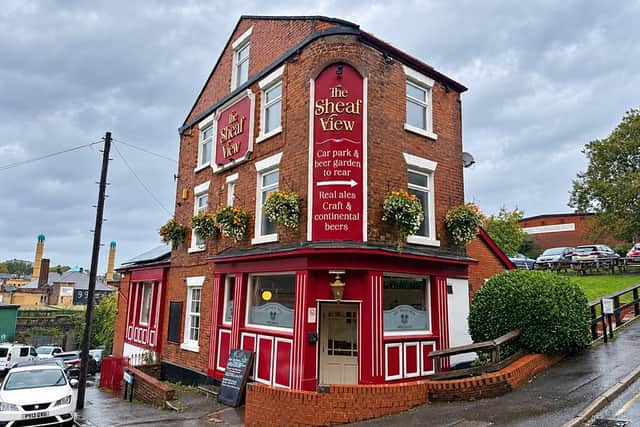

Scott, who runs Micropub Adventures, regularly visits Sheffield and has a particular interest in the history of its traditional pubs, independent bars and former drinking establishments.
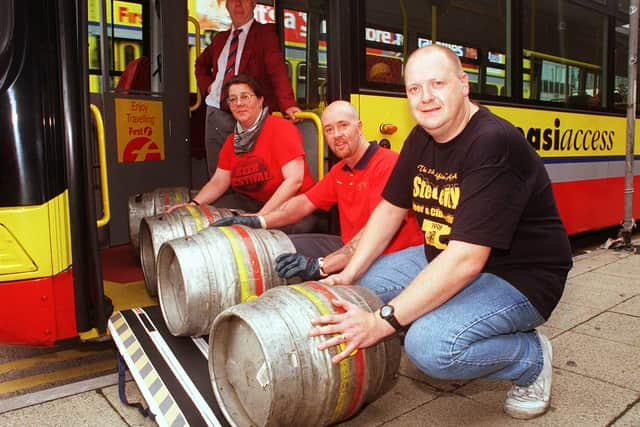
His latest trip, on Saturday, October 24, took in the 50th Steel City Beer and Cider Festival at Kelham Island Museum, as well as pubs across the city centre, Heeley, Abbeydale Road and Sharrow.
Scott said: “I’m from Pontefract in West Yorkshire, but Sheffield is somewhere I’ve visited many times over the years. I’ve always had a soft spot for the city, particularly its fantastic selection of historic pubs, independent bars and the stories behind them,” he said.
His latest visit on Saturday, October 24, included the 50th Steel City Beer and Cider Festival at Kelham Island Museum and a tour of pubs across the city centre, Heeley, Abbeydale Road and Sharrow.
Scott said: “One thing I particularly love about Sheffield is how much history you can find in its pubs. From traditional old buildings that have served their communities for generations to newer independent places bringing something different to the city, there’s always something interesting to discover.”
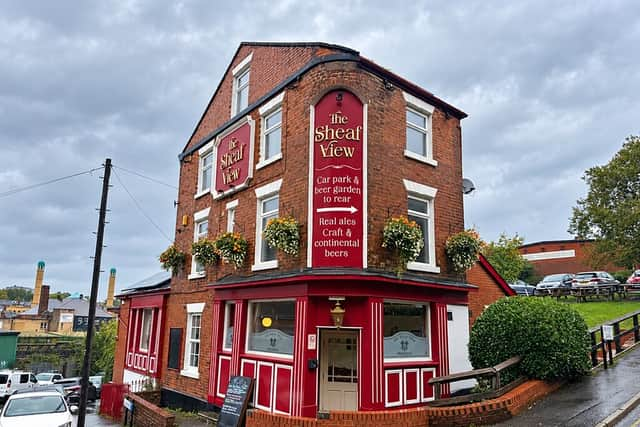
He shared his day in a new blog post, A Steel City Saturday: Sheffield Beer Festival, Historic Pubs and Micropubs.
Here, he gives an account of some of the places he visited and the history he uncovered along the way:
Saturday 24 October 2026 was another lovely day out exploring Sheffield. I started at Sheffield Tap before heading to Kelham Island Museum for the 50th Steel City Beer & Cider Festival.
It was great seeing the River Don Engine running, catching up with familiar faces and trying a few different beers.
Afterwards, we explored the pubs around Heeley, Abbeydale Road and Sharrow, finishing at the Botanical Arms on Ecclesall Road. There was a brilliant mix of traditional pubs, independent bars and newer micropubs, along with a few former pubs to photograph.
Plenty of walking, good company and interesting history made it a cracking day.
A little history of Sheffield
Sheffield began as a small medieval market town, with a castle and a market established by the late 1200s. It became known for making knives and other cutlery long before its steelworks became famous.
During the 1700s and 1800s, new ways of producing steel helped the town grow into a busy industrial centre, with workshops and factories spreading along its rivers.
Sheffield’s reputation grew around the world, and in 1913 local metallurgist Harry Brearley developed an early form of stainless steel. Today, you can still spot reminders of that past in the old industrial buildings, streets and traditional pubs around the city.
Sheffield Tap
My first visit of the day was to Sheffield Tap.
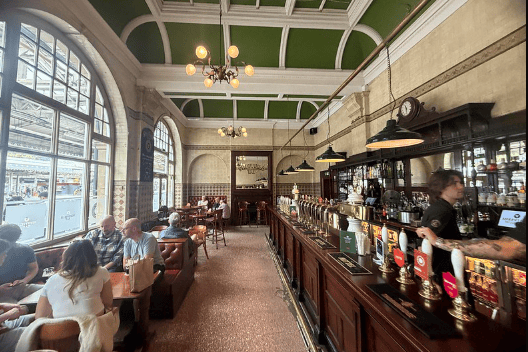
Sheffield Tap sits inside the old Edwardian refreshment and dining rooms at Sheffield Station, right by Platform 1b.
The rooms were built in 1904 and later fell out of use for many years before being carefully restored. In 2009, they reopened as Sheffield Tap, bringing this lovely Grade II listed space back to life as a pub.
In 2013, the former first-class dining room was also brought back into use, with Tapped Brew Co brewing on site. Today, it’s one of Sheffield’s best-loved station pubs, mixing railway history, beautiful old features and a proper warm welcome.
Inside, Sheffield Tap is full of character, with many Edwardian features carefully restored or recreated. The high ceilings, decorative plasterwork, tiled walls and large arched windows give the pub a grand but welcoming feel.
Its terrazzo floors, timber panelling and traditional furniture add to its classic railway pub atmosphere.
The main room is bright and spacious, while the former first-class dining room provides extra seating with the same historic charm. Behind glass, you can also spot the small on-site brewery, adding another point of interest. It’s a relaxed place where history and modern beer come together beautifully.
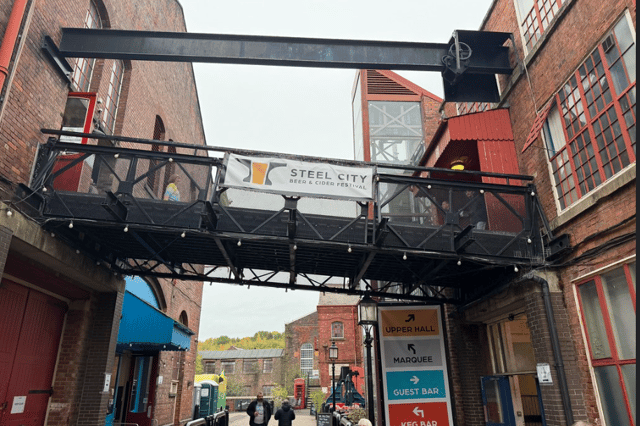
50th Steel City Beer and Cider Festival
Next up was a visit to Kelham Island Museum for the 50th Steel City Beer & Cider Festival, organised by Sheffield & District CAMRA.
The museum is a fascinating place, telling the story of Sheffield’s industrial past and its world-famous steelmaking industry.
One of its biggest attractions is the River Don Engine, built in 1905 by Davy Brothers of Sheffield. This enormous steam engine weighs around 425 tonnes and was once used to power machinery rolling huge steel plates.
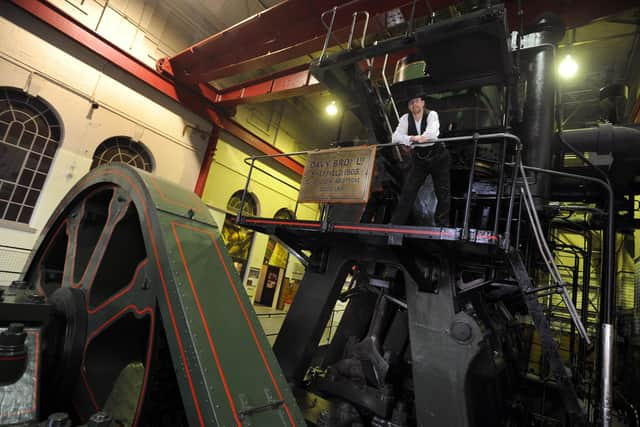
I was lucky enough to see it running during my visit, and watching such a huge piece of machinery in action was quite something.
The museum’s old industrial buildings also make a fantastic setting for a beer festival.
The festival itself was spread across several parts of the museum, with around 200 real ales available alongside craft beers, cider and perry.
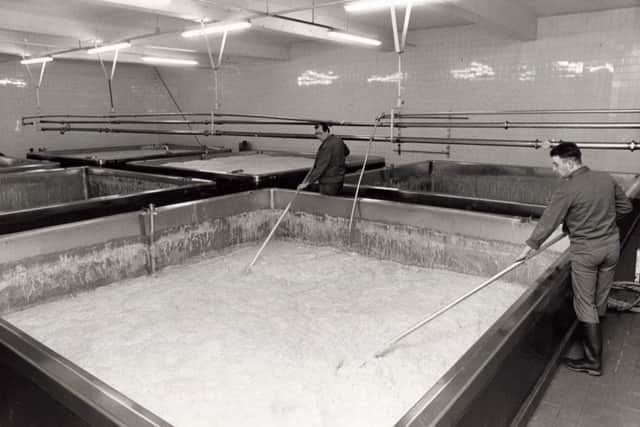
Upstairs in the large hall were long rows of casks offering a huge choice of beers from breweries across the country. Downstairs was a selection of guest brewery bars, while outside in the courtyard a large marquee housed even more real ales.
There was also a separate KeyKeg bar offering a good range of craft beers, along with a dedicated cider bar with plenty of choice for cider and perry drinkers.
With food stalls, historic machinery and plenty of different areas to explore, there was much more to see than just the beer. It was a really enjoyable visit, and I particularly liked how the festival made use of the museum’s industrial surroundings.
Millowners Arms
The Millowners Arms is tucked away within the grounds of Kelham Island Museum, occupying a former storeroom rather than an old pub.
It was transformed in 2013 as part of a £60,000 project funded by the River Don Millowners Association and opened by the Duke of Gloucester. Initially used for museum events and special functions, it became a fully operating public house in November 2019.
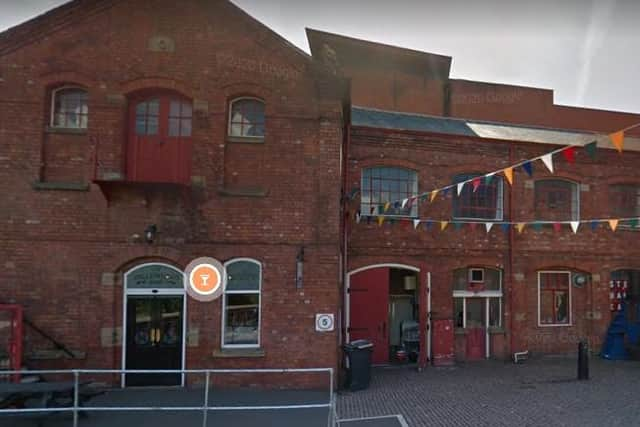
The pub celebrates Sheffield’s brewing history, with displays recalling breweries from the city’s past. One particularly interesting feature is the 17th-century stone fireplace, rescued from the former Travellers pub at Wadsley Bridge.
Inside, the Millowners Arms has been carefully designed to look and feel like a traditional Sheffield pub from the 1970s. There’s plenty of dark wooden panelling, green button-backed bench seating, wooden tables and chairs, and warm lighting throughout.
The large stone fireplace is a lovely feature, while the red-painted iron columns are a reminder of the building’s industrial past.
Wooden partitions feature old brewery names including Stones, Ward’s, Tennant’s and Gilmore’s, alongside framed displays celebrating Sheffield’s brewing heritage.
There’s a cosy little corner by the window, a traditional wooden bar and plenty of character wherever you look.
This is just an excerpt from Scott’s day out. His full blog post includes more pubs, former drinking spots, photographs and historical details.