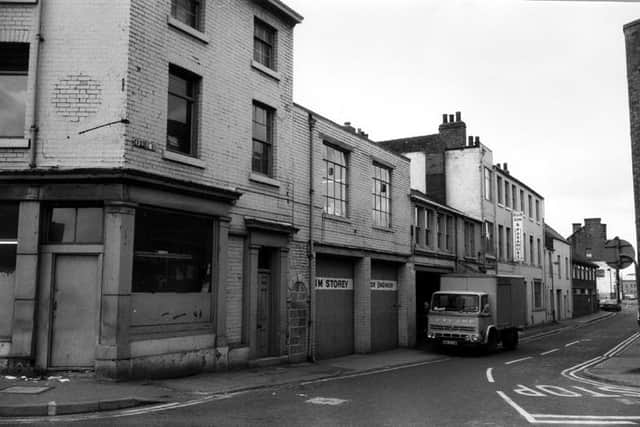
What role does Sheffield play in the real Peaky Blinders story?
The hit TV series Peaky Blinders is to be made into a film, but what role does Sheffield play in the real story behind Britain's most notorious 1920s gangs?
In the spring of 1921, the first major gang war in Britain’s history erupted in and around London, where gangs fought over control of the pickpocketing of racegoers and the blackmailing of bookmakers on the racecourses of southern England.
The wars spread across the whole country and there was declaration of a War on Gangs by the Home Secretary after The Racecourse War in 1921.
Carl Chinn - author and great-grandson of a peaky blinder - writes in his book Peaky Blinders: The Legacy: “There was a vicious gang war in Sheffield between the Mooney Gang, led by George Mooney, and the Park Brigade headed by Sam Garvin.
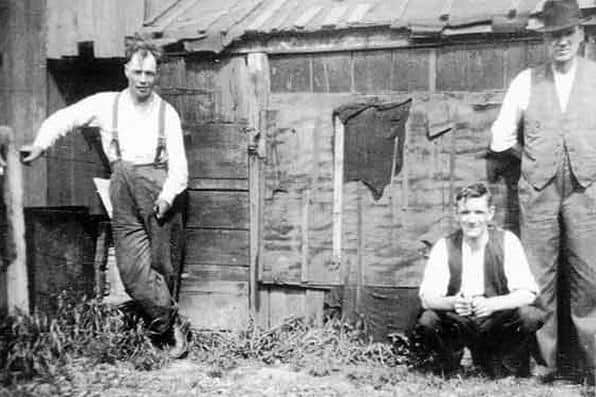

“Both were racing men and previously they had been partners in crime, but after falling out, their animosity knew no bounds. To make matters worse, the feared Thomas Armstrong of the Birmingham Gang had now arrived in Sheffield to support Mooney. But unlike other gang conflicts throughout the country during this era, this war was not fought over racecourse protection rackets; it was over control of a lucrative gambling site at Sky Edge, a high ridge of wasteland looming over Sheffield’s city centre.”
During and after the end of World War One, munitions workers’ wages increased, which meant they were able to gamble.
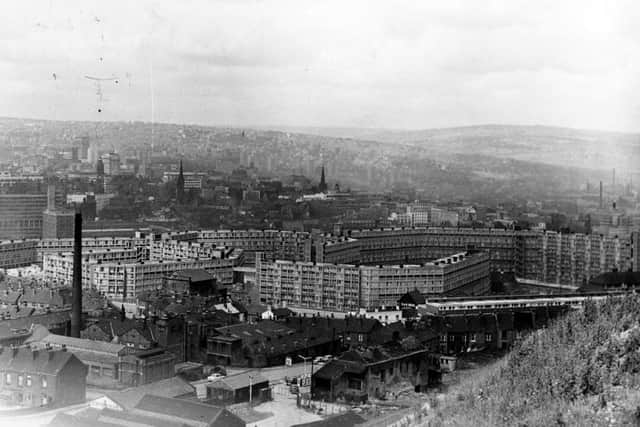
The ‘throwing of coins’ or ‘pitch and toss’ was popular and particularly at Sky Edge - now better known for its Park Hill flats - as it was easier to detect approaching policemen.
As well as controlling Sky Edge, Mooney also associated with the Mexborough Boys at Doncaster races, where he was later imprisoned for three months and where he met Garvin.
Unemployment soon began to rise and the gangs’ profits fell as people had less money to gamble, causing rival gangs to form.
Between 1923 and 1925, there was a battle for territory, which resulted in violence.
“Revolvers, truncheons and razors are used by the gangs and the police know that many men have received dreadful injuries from razor-slashing attacks, but are powerless to prosecute because the victims are scared, and dare not give evidence against the assailants,” as written by People in 1924.
Two brothers, Wilfred and Lawrence Fowler were found guilty for the murder of William Plommer during the attacks and both were hanged.
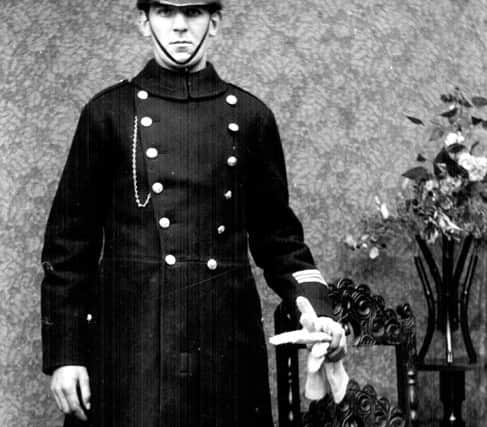
This event prompted the Chief Constable of Sheffield Police, John Hall-Dalwood, to form a Special Duty Squad, who were tasked with eliminating gang activity in Sheffield.
Although they were deemed aggressive, they were successful.
On January 1, 1925, the Sheffield Daily Telegraph announced that on the previous night, the Sheffield gangs had met and ended their feud and the racecourse gangs of London and Birmingham also soon faded.
The story of the peaky blinders is said to be one of Britain's most notorious 1920s gangs and although gangs still exist, they appear to operate somewhat less obviously today.
In these confusing and worrying times, local journalism is more vital than ever. Thanks to everyone who helps us ask the questions that matter by taking out a digital subscription or buying a paper. We stand together. Nancy Fielder, editor.