
The inside story of why Mary Queen of Scots was imprisoned in Sheffield 450 years ago
Mary Queen of Scots, a royal by birth with a claim to the English throne, was held prisoner in Sheffield for 14 years and this year marks the 450th anniversary since she was brought to the city. But what did she do? And why was she beheaded?
Although this is the tale of the Scottish Queen the troubles started in England when Queen Elizabeth I changed England from being a Catholic country, back to being Protestant again turning many against her.
Mary was born a Catholic in Scotland in 1542. Her father was James V of Scotland, who died six days after Mary was born.
England remained a Protestant country but Mary had a strong claim to the English throne and posed a threat to Queen Elizabeth I because of the marriage Elizabeth's father Henry VIII to Anne Boleyn - which was viewed by Catholics as illegal.
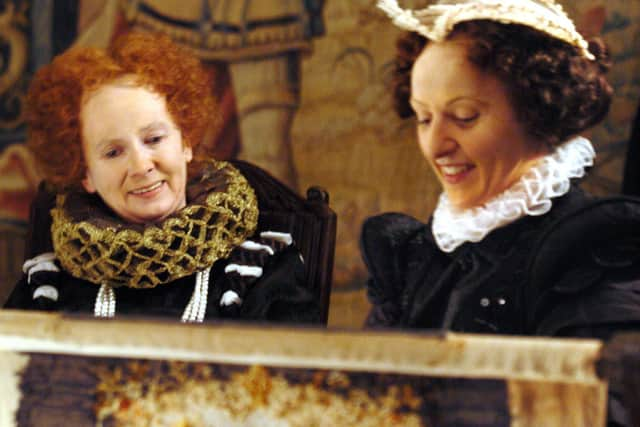

Scotland was a different story, though. While Mary had been spending her young life in France, Scotland had become a Protestant country again.
So being Catholic, Mary wasn't popular with the Scots. They especially turned against her when she married Lord Bothwell who had been the chief suspect in the murder of her previous (second) husband Lord Darnley.
It was at this point - in around 1569 - that Mary fled Scotland for England, hoping to get help and support from her cousin Queen Elizabeth I.
However, Elizabeth was worried that Mary would raise Catholic support and take the throne, so she put Mary Stuart, Queen of Scots under lock and key for the next 19 years. She was placed under the care of George Talbot, the sixth Earl of Shrewsbury.
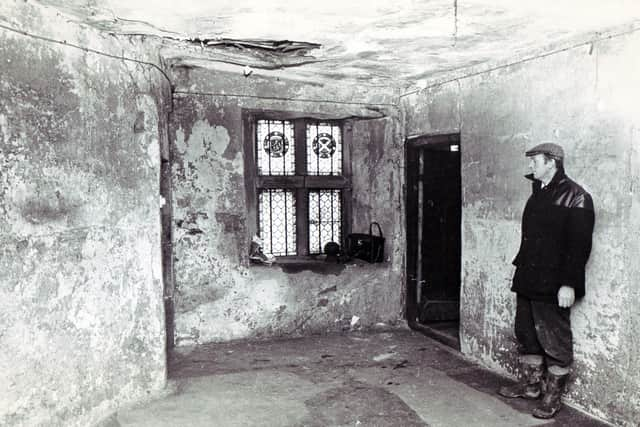
This year marks a momentous anniversary in the history of our city, being 450 years since Mary Queen of Scots made the journey from Chatsworth into Sheffield where she lived out a third of her life under imprisonment.
Mary arrived at Sheffield Castle on 28 November 1570, aged 27, having travelled from Chatsworth in Derbyshire. Little did anyone know that it would be 14 long years before Mary would leave Sheffield. Sheffield Castle would always be her main prison as it was an extremely secure building, being a 300-year-old medieval castle, built on solid bedrock and surrounded by the Rivers Don and Sheaf one side, moat and ditch on the other.
She was closely guarded here, allowing her little freedoms.
Sheffield Castle no longer exists (Castle Market stands on its remains) but Manor Lodge, where she was later moved to still stands today just off City Road in the middle of the Manor estate. Her second Steel City imprisonment was much more fitting for a Queen and as well as dining on 16-course meals served four times a day she travelled to other stately homes such as Chatsworth House, Worksop Manor and stayed at England's Oldest Hotel, The Old Hall Hotel in Buxton where she bathed in the medicinal waters. Whilst staying in Sheffield she is also recorded as bathing in white wine.
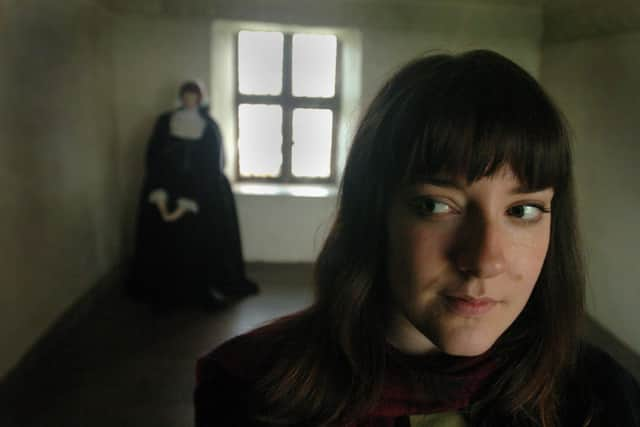
Nineteen years later, in 1586, a major plot to murder Elizabeth was reported, and Mary was brought to trial. She was convicted for complicity and sentenced to death.
On February 8, 1587, Mary Queen of Scots was beheaded for treason. Her son, King James VI of Scotland, calmly accepted his mother’s execution, and upon Queen Elizabeth’s death in 1603 he became king of England, Scotland and Ireland.
As the country is still in lockdown the celebrations to mark Mary's place in Sheffield history will not be going ahead at Manor Lodge.
Originally the important milestone was going to be honoured with a civic reception and a historical re-enactment of Mary’s dignified entry into the town. Plans were in place for a costumed re-enactor to highlight the important entry of what was a reigning monarch at the time into what was then the small town of Sheffield.
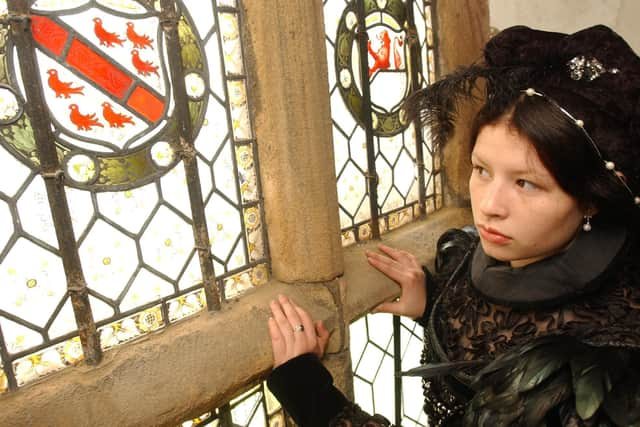
A Friends of Sheffield Manor Lodge spokesperson said: "However, all is not lost as we fully intend to hold the event on Sunday November 28, 2021 with exactly the same itinerary and maybe extras as well."
- RELATED: Remembering Meadowhall's lost and long-standing shops of the 90s and 00s
- RELATED: The storied history of Sheffield's old jail
- RELATED: 15 Sheffield city centre pubs and bars we have loved and lost over the years
- RELATED: Remembering much-loved American Adventure theme park 20 years after it closed