
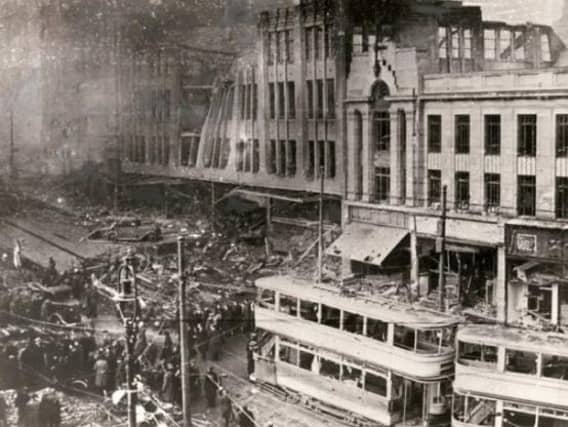


The Luftwaffe’s two day attacks, with the second coming on December 15, claimed the lives of more than 660 people, 1,500 were left injured and thousands more were made homeless. The devastating attacks changed the face of Sheffield forever, flattening much of the city centre. The Marples Hotel was hit leaving many dead and there are now calls for a plaque to be sited to remember those lost lives.
Over 330 German aircraft are believed to have been involved in the German assault on the Steel City. The main industrial part of the city was largely protected that night by a covering of fog. However, The Moor was left devastated and every building in Angel Street was bombed or fire damaged.
The bombers returned later in the week for another raid. This time the industrial east of the city was hit - Attercliffe, Grimesthorpe and Burngreave in particular. Brown Bayleys steelworks were hit, as were Hadfield’s Hecla and East Hecla Works, Arthur Lee and other industrial sites.
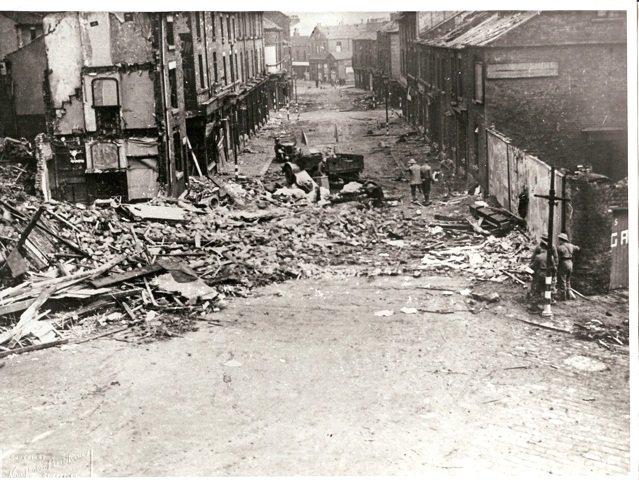
5. Devonshire Street
The scene looking down Devonshire Street towards where The Forum is now after the Sheffield Blitz Photo: Neil Anderson
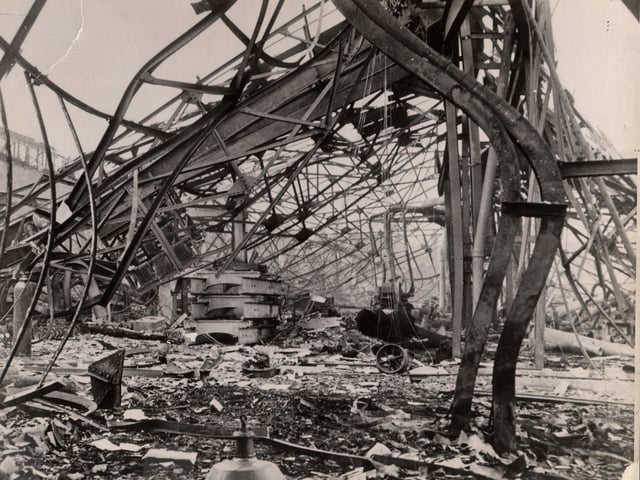
6. Destroyed
Documents captured at the end of the war showed that the targets for the raids included the Atlas Steelworks, Brown Bayley Steelworks, Meadowhall Iron Works, River Don Works, Darnall Wagon Works, Tinsley Park Collieries, East Hecla Works and Orgreave Coke Ovens. Photo: Chris Lawton
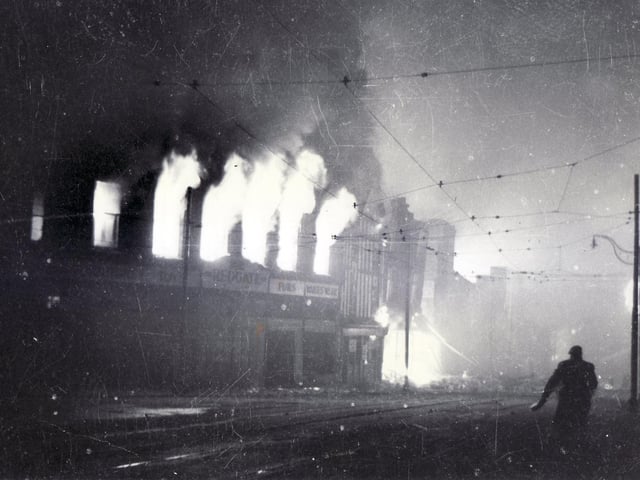
7. 5 - Redgates shop
The Redgates shop in Sheffield on fire in December 1940. Photo: JPI Media
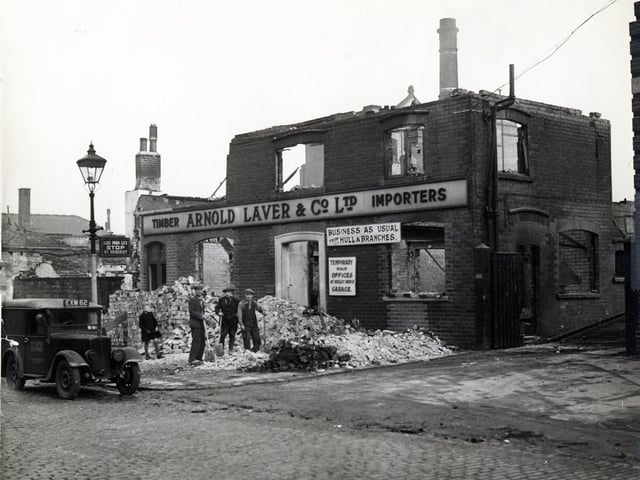
8. Bramall Lane
Laver’s Bramall Lane offices the morning after the December, 1940, blitz. Photo: submit pics hr media