
Looking Back: Did your grandad ever knit you a Fair Isle jumper?

Back in the day, knitting and crocheting were the most popular pastimes for women. If you look at any primary school photo from the 1950s you can immediately see in which era it was taken.
The boys are all wearing v necked Fair Isle pattern tank tops with the girls in little hand knitted cardigans. The most popular shop for wool and knitting patterns in our area was Matthews of Firth Park and I believe it is still there.
Of course no self-respecting man in those days would ever admit to even holding a knitting needle, but the craft was originally very much a male preserve.
Knitting originated around 1300 AD in the Middle East and then spread to Europe. The earliest knitted objects were men’s socks. By the 17th century it had become a prestigious profession for men but then later became an activity for women as a domestic hobby.
However, the traditional techniques of knitting and sewing became popular with sailors during the First and Second World Wars both to save money and to give them something to do, although many men didn’t like to admit afterwards that they had been doing it!.
My mother wasn’t an enthusiastic crafter but I do remember that every chair in the house had a beautifully crocheted antimacassar on the back to prevent soiling or staining from men’s hair products. The name comes from ‘anti’ and ‘Macassar’ an oil used in barbers in the 19th century. In my fathers case it would have been ‘Brylcreem’!
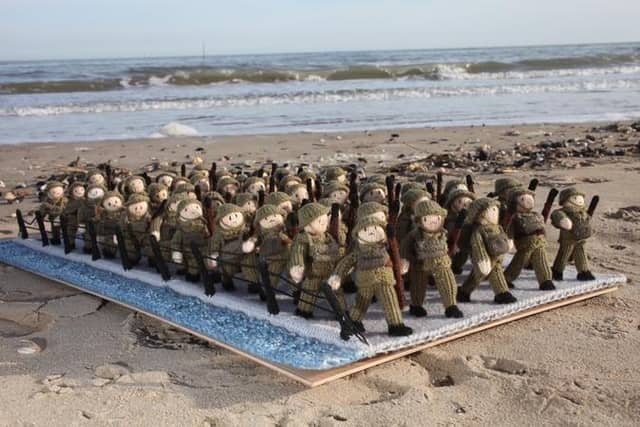
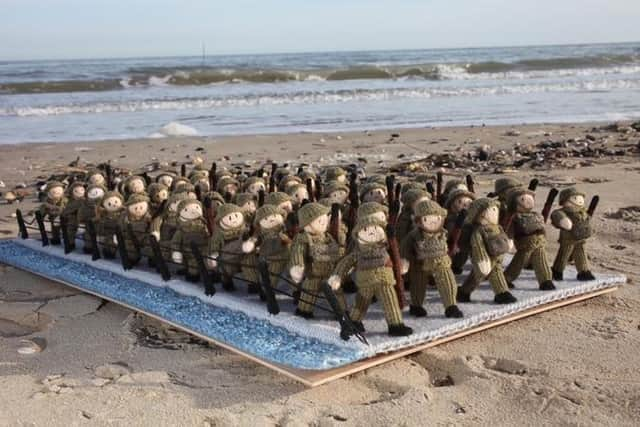
There were also pretty little crocheted doilies on the dressing table in my parents’ bedroom, and also under plates holding cakes on the dining table. It seems that hundreds of crafters from around the world took part in a knitting and crocheting project called ‘The Longest Yarn’ to commemorate the 80th anniversary of DDay in 2024 with the exhibition travelling around Europe and America.
So, the crafts of knitting and crocheting may be alive and well. Certainly the big fashion statement last year was Fair Isle knitwear. Unhappily, not lovingly crafted by mums and grans but in factories by machines to sell in the fashion stores. Well we do have rather a lot to fill our time with these days don’t we?