On March 5, 1984, Yorkshire miners walked out after the National Coal Board announced the closure of Cortonwood Colliery, Barnsley.
The protest bloomed into the largest instance of industrial action in the UK’s history as miners stood against the planned closure of 20 nationalised coal mines by Margaret Thatcher’s Government - one that divided communities, shaped British history, and took an entire year to end.
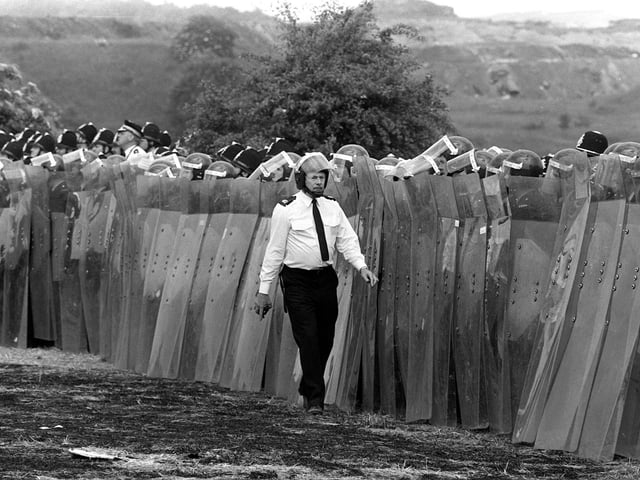
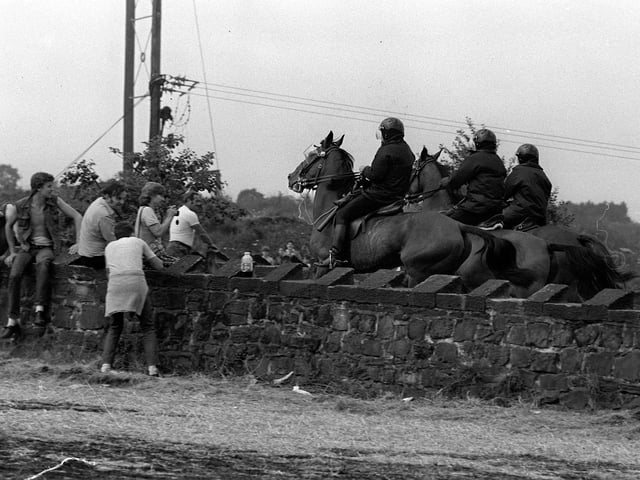
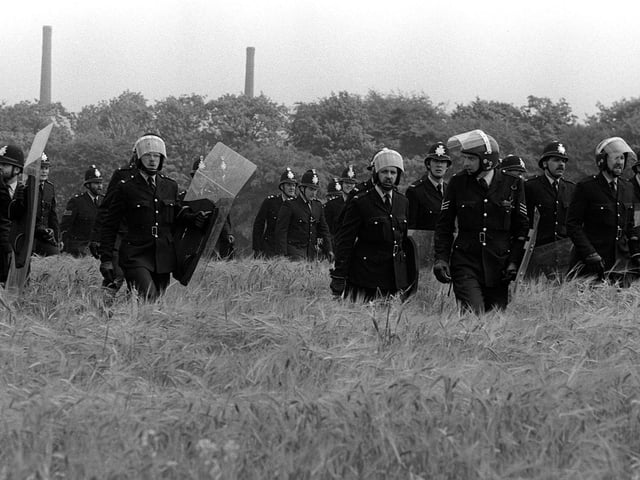
But it was June 18, 1984, better known as The Battle of Orgreave, that saw the bloodiest day of the strike, when miners and hundreds of officers from South Yorkshire Police and other forces clashed at a British Steel coking plant near Rotherham, South Yorkshire.
Officers on the day carried riot shields and batons, and were pictured bearing down on strikers on horseback. Protestors were pictured afterwards covered in blood. It was followed by the attempted prosecution of miners for rioting, but all charges were dropped.
Now, 40 years later, Home Secretary Yvette Cooper has announced a long-awaited inquiry into the Battle that has “cast a shadow over communities in Yorkshire and other mining areas.”
The pictures below are just a snapshot of what communities were subjected to or forced to witness, but they show what groups like Orgreave Truth and Justice Campaign have fought to address.
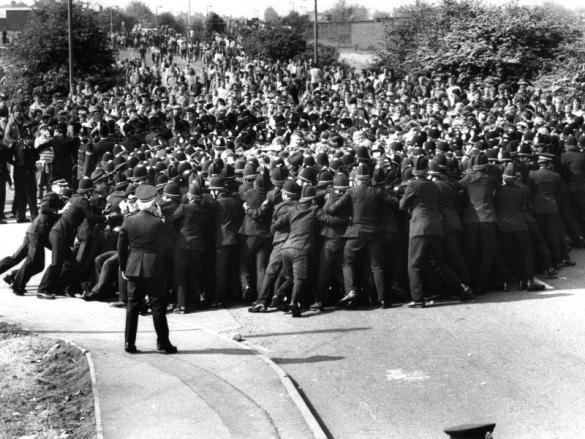
1. Miners' strike
The 1984 Battle of Orgreave is one of the best-known flashpoints of the miners' strike, and is still a major focus of controversy over policing methods against NUM pickets Photo: JPI Media