


The deadly strain of influenza – which did not originate in Spain, but got its name as newspapers there reported its existence first – emerged towards the end of World War One, killing at least 50 million people around the world.
It reached Sheffield in the summer of 1918, with further waves in November that year and in early 1919.
Nationally, crowds celebrating the Armistice worsened the disease’s spread and - in an era before the NHS with a less sophisticated understanding of viruses - the public was given conflicting advice, from the sensible, such as isolating victims, to the pointless, like eating lots of porridge or keeping up regular tooth-brushing.
Here are nine facts that illustrate the impact Spanish flu had on Sheffield.
5. Entertainment venues were restricted
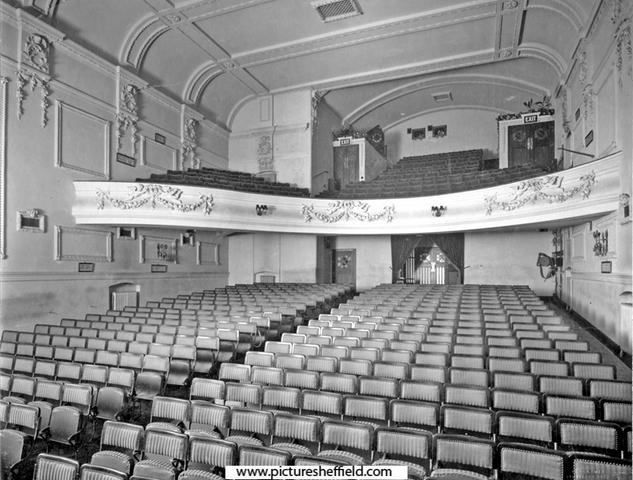
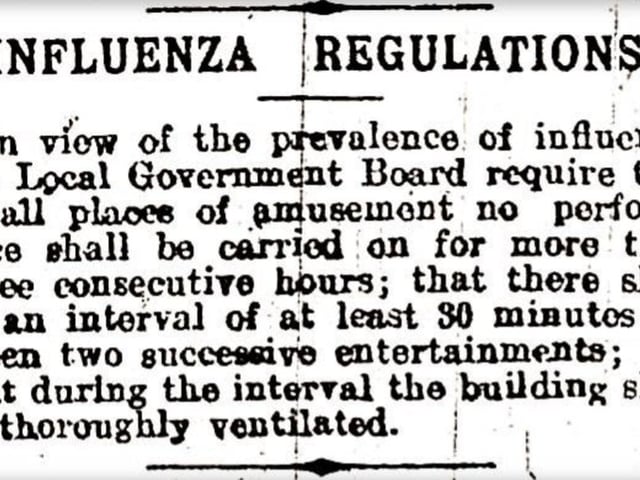
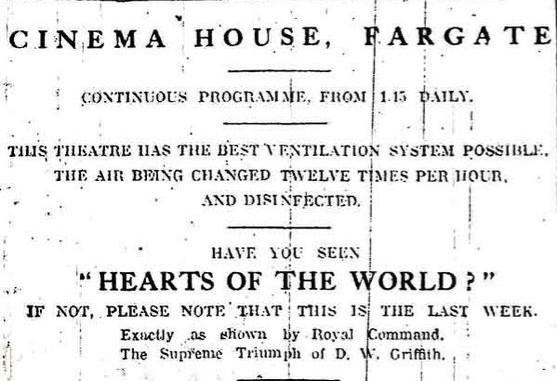
Cinema screenings were limited in length and premises were expected to be properly aired - the Electra Palace, in Fitzalan Square, promised: "This theatre is fitted with Haden’s ventilation, the air being changed twelve times per hour and is drawn through screens saturated with disinfectant." | Other 3rd Party Photo: Picture Sheffield
6. Strict rules
The Picture Palace cinema on Ecclesall Road asked to be exempted from the regulations on cinemas but was refused by the Health Committee. | Other 3rd Party Photo: Picture Sheffield
7. There were reasons behind Sheffield's statistics
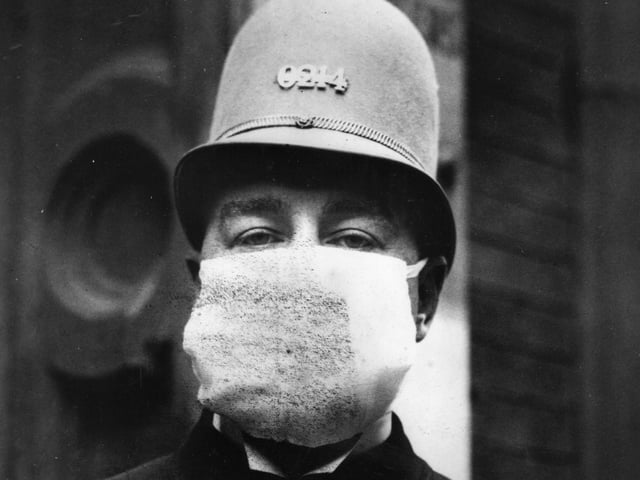
Research has suggested Sheffield's mortality rate of nearly 3,000 deaths was down to its status as a munitions city. In industrial areas people were pressured to go to work. | Getty Images Photo: Getty Images
8. The epidemic reached all parts of the city
No part of Sheffield escaped Spanish flu - Attercliffe in the east and Ecclesall in the west were both badly affected. | Other 3rd Party Photo: Picture Sheffield