

The newly-built Dale Dyke Reservoir at High Bradfield was the starting point of the Sheffield Flood, when on the night of Friday, March 11, 1864 a crack in the side of the embankment gave way. More than 600 houses, businesses and livelihoods were damaged or destroyed by the raging torrent that swept via the River Don towards Sheffield city centre and out to Rotherham via Attercliffe.
The settlements of Bradfield, Owlerton, Loxley and Malin Bridge had all but disappeared under water. Around 240 people died including 11 members of one family in Malin Bridge alone died in the tragedy. Fifteen bridges crumbled under the force of the deluge and 700 animals were killed.
A memorial event is held every year to remember the victims. Members of the public can learn more about the disaster by attending a guided tour at Wardsend Cemetery today from 2pm. To book visit https://www.eventbrite.co.uk/e/the-great-sheffield-flood-tour-at-wardsend-cemetery-tickets-572964531337
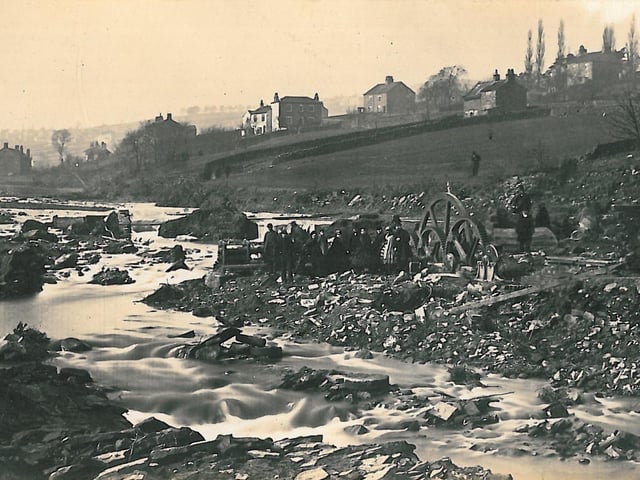
1. Washed away
The mayor set up a relief fund and help was provided for the homeless and needy. Sheffield was quickly supplied with aid wherever needed and more than £42,000 was raised to help the destroyed city Photo: email
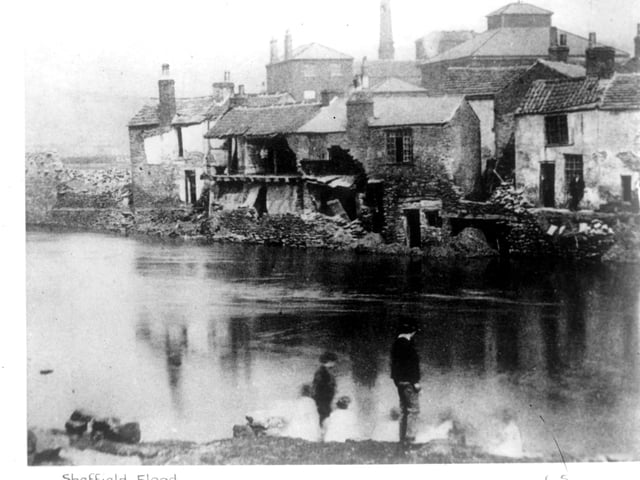
2. Great Sheffield Flood
Ruins at Neepsend Lane following the Great Sheffield Flood Photo: Unknown
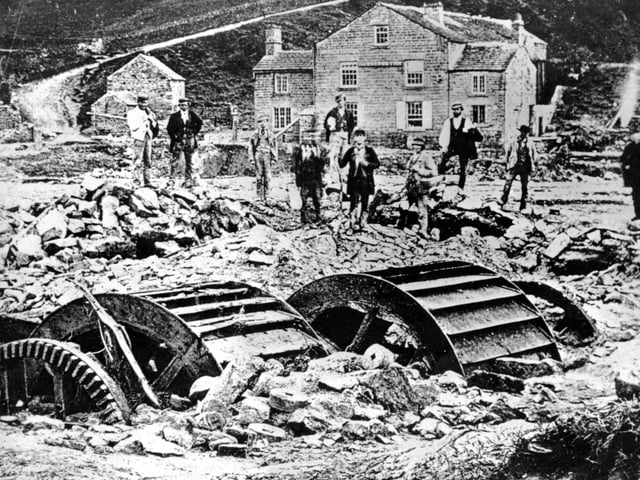
3. Rowell Bridge Wheel
Undated handout photo issued by Sheffield City Council of the damage at Rowell Bridge Wheel, Loxley, Sheffield, following the Great Sheffield Flood in 1864. Photo: www.picturesheffield.com
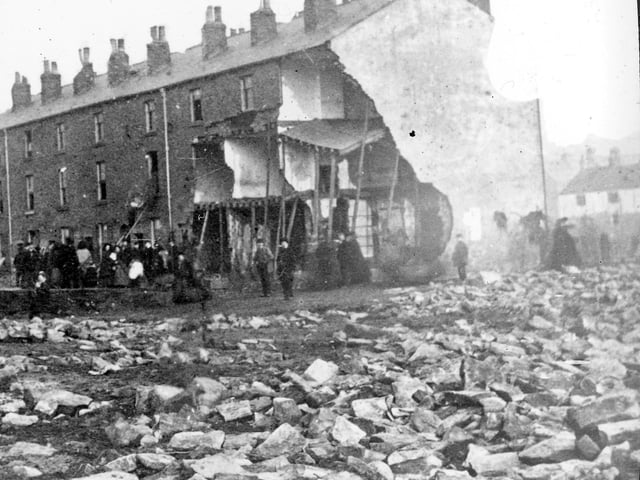
4. Remains of Brick Row and Holme Lane
Great Sheffield Flood 1864 - remains of Brick Row and Holme Lane, Hillsborough Photo: Submitted