


Sheffield has a myriad of architectural gems, many of which have stood proud throughout decades, and in some cases – centuries, of change in the city’s communities.
But with the march of time, some of the buildings and sites have fallen out of use, or are in desperate need of improvements; and have been deemed as ‘at risk’ by English Heritage, a public body which aims to ‘protect, champion and save the places that define who we are and where we've come from as a nation’.
As part of its Heritage at Risk programme, English Heritage has a register of at risk buildings and sites, which is updated annually.
All of the Sheffield buildings and sites included on this list are currently on English Heritage’s Heritage at Risk Register, and you can view their website with all of the information here.
The information included in this list was correct at the time of publication on Wednesday, April 19, 2023.
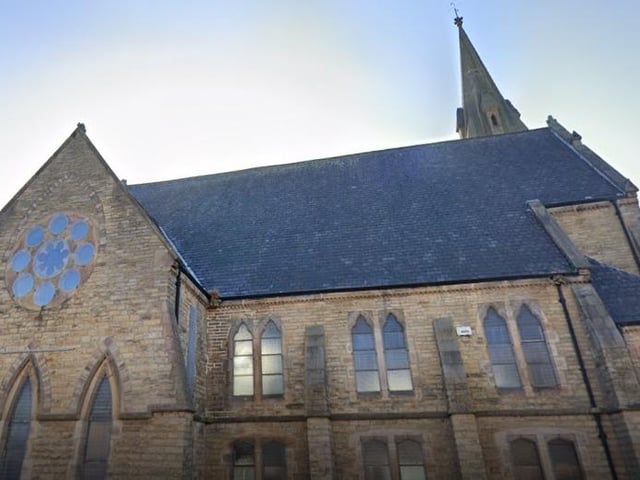
5. Seventh-Day Adventist Church, Andover Street, Burngreave
The Seventh-Day Adventist Church started life as a gothic revival Victorian chapel, which dates back to 1865. Heritage England has assessed its condition to be 'poor,' deteriorating from 'slow decay,' with no solution agreed Photo: Google
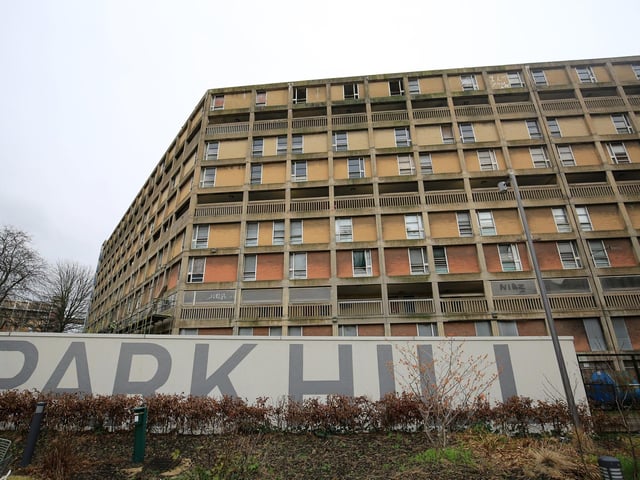
6. Park Hill, Talbot Street, South Street and Duke Street, Sheffield
Sheffield's most iconic housing estate was built between 1957 and 1960, designed by Jack Lynn and Ivor Smith, part of post-war slum clearance Three out of five phases have now been completed, and Phase 4 and Phase 5 have planning consent. Heritage England describes the condition as 'poor,' referring to the parts of the estate that have not been repaired or renovated. Picture: Chris Etchells Photo: Chris Etchells
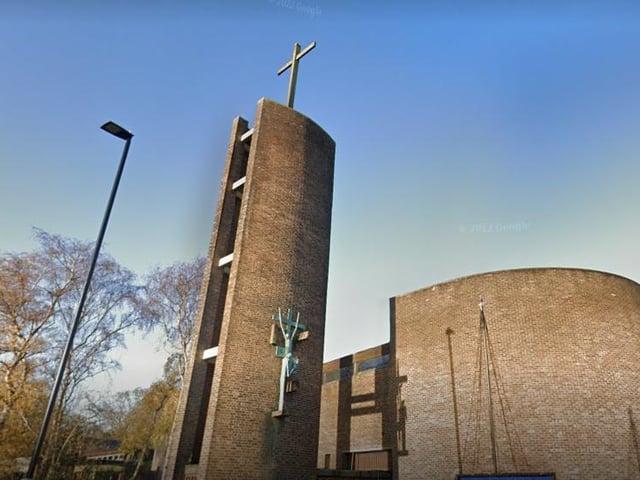
7. Church of St Catherine, Richmond Road, Richmond, Sheffield
Built in 1959, the Church of St Catherine is a Basil Spence design concurrent with Coventry Cathedral. Heritage England said of the state of the building: "Cracks have appeared in the bell tower, allowing water ingress into the structure and rust jacking. The tower's piers are starting to significantly split and pull apart. The copper flat roof design original to the build date has now failed in numerous places leading to water ingress and damage to the interior. The water ingress within the roof structure has damaged what we believe is the strammit board, rendering it non-structural. Consequently, access to this roof has restricted maintenance." The condition has been described as 'fair'. Photo: Google
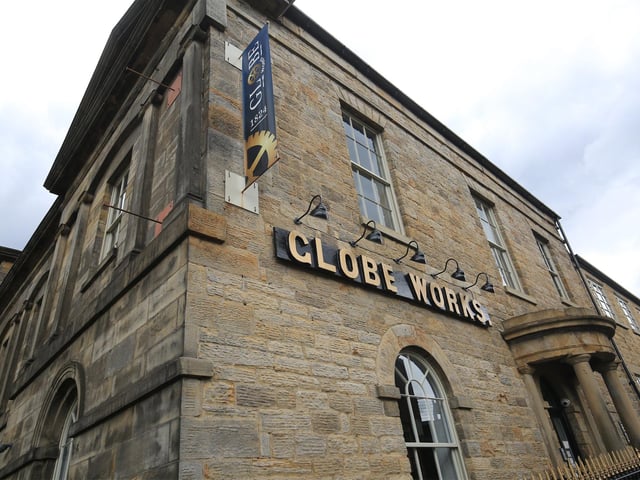
8. Globe Works, Penistone Road, Sheffield
The historic Globe Works, which dates back to 1825, is Sheffield's earliest example of a purpose-built cutlery and edge tool works. Heritage England's assessment states that the 'front range of this complex is occupied and in good condition. Some of the rear ranges have been repaired and reoccupied. One range is still derelict and in poor condition, but a scheme of repair and conversion has been approved and has now commenced'. The building has been placed on the register as a consequence of the 'derelict' part of the site, and its condition is described as 'fair'. Picture: Chris Etchells Photo: Chris Etchells