
Why a digital detox could benefit your eyes and brain in 2026
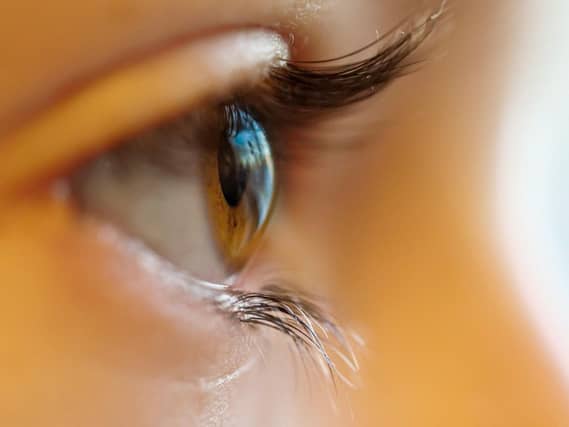

Five simple rules from a health expert that can boost vision and support brain function.
If your New Year's Resolution is to reduce screen time, you’re not alone – Google is currently recording searches for ‘best way to reduce screen time’ as a breakout topic. Searches for ‘reduce screen time’ have reached 107,000 in the past month alone, up 152% compared to last year.
Khuram Sarwar, dispensing optician and health expert at prescription glasses specialist Feel Good Contacts shares the impact of heightened screen time on vision and cognitive function.
“Current data suggests British adults now spend an average of around seven and a half hours a day looking at screens, including phones, tablets and laptops - a figure that highlights how embedded screens have become in our daily lives.
“The first ten minutes after waking are especially important. Overnight, the eyes can become dry and sensitive, and an immediate hit of screen time and blue light can be harsh before they’ve had a chance to properly adjust. Giving your eyes a short screen-free window allows them to naturally rehydrate and reduces early strain.”
Khuram continues: “Prolonged screen use throughout the day is commonly linked to eye strain, dry eyes, headaches and blurred vision, but it can also affect concentration and cause mental fatigue. Constantly switching between apps, emails and notifications puts extra demand on the brain, which can make it harder to stay focused and present.”
How can you reduce screen time?
“Simple changes can help. Starting the day without your phone, taking regular breaks using the 20-20-20 rule (every 20 minutes, look at something 20 feet away for 20 seconds), and avoiding screens in the hour before bed can ease pressure on both your eyes and your brain.
“Gently eye exercises, sometimes referred to as eye yoga, can also help. Simple movements like slowly looking side to side, up and down, or doing a figure of eight patterns can help relax tired eye muscles and encourage better blood flow after long periods of screen use.
“Replacing screen time with activities like short walks, reading a book, gentle stretching or practising mindfulness can also support focus and overall wellbeing.”
Khuram concludes: "Reducing screen time isn’t about cutting technology out completely but about using it more consciously. Small, consistent changes can make a noticeable difference over time. And if you’re experiencing persistent eye discomfort or changes in vision, it’s important to prioritise regular eye checks as part of your overall health routine.
“It’s also worth remembering that regular eye checks are one of the most affordable health checks available, and early detection can help prevent far more serious and costly eye problems later in life.”
For more information, please visit: https://www.feelgoodcontacts.com/blog/how-much-screen-time-is-too-much