
‘Like I’d been kicked in the stomach by the devil’: Sheffield man shares warning after pancreatitis diagnosis

Digestive conditions contribute to one in eight deaths in the UK, yet many people still feel too embarrassed to talk about symptoms
A 49-year-old man from Sheffield is aiming to raise awareness of some of the symptoms associated with acute pancreatitis after spending 32 days in hospital.
After seven hospital admissions and almost a year of debilitating pain, Simon Henderson underwent surgery to remove his gallbladder after doctors discovered tiny gallstones inside it were triggering the condition.
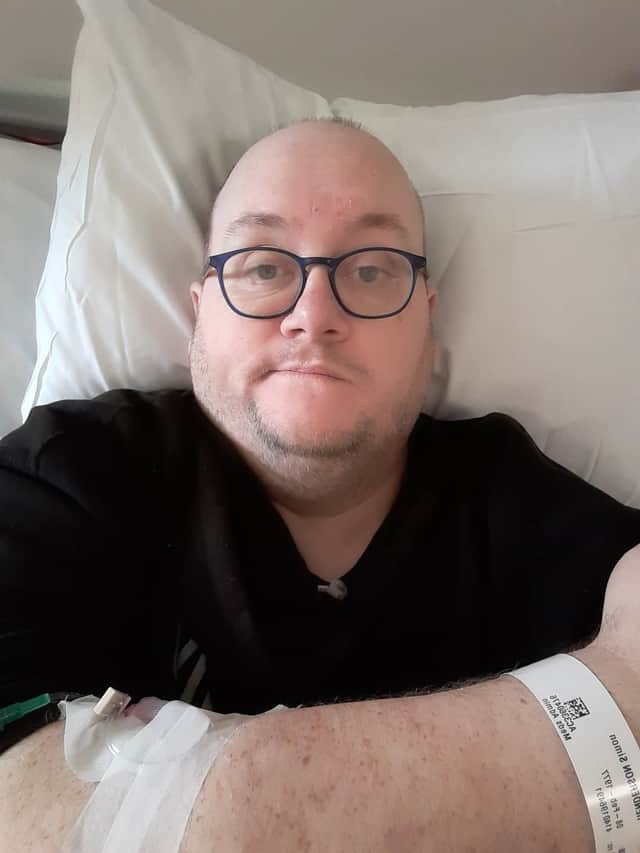

Looking back, Simon believes the first warning signs appeared months before he knew anything was seriously wrong.
He experienced a sudden pain just below his rib cage that lasted around an hour and left him with an upset stomach. Because it passed quickly, he dismissed it and carried on with life. Then, in September 2025, everything changed.
Simon explained: “I was sitting at my computer doing some writing and suddenly, I felt like I’d been kicked in the stomach by the devil. The pain erupted just below my rib cage and was unbearable.
“After about two hours curled up on the bathroom floor, screaming in agony and vomiting, I finally called an ambulance. That decision led to my first hospital admission and, ultimately, my diagnosis of acute pancreatitis.
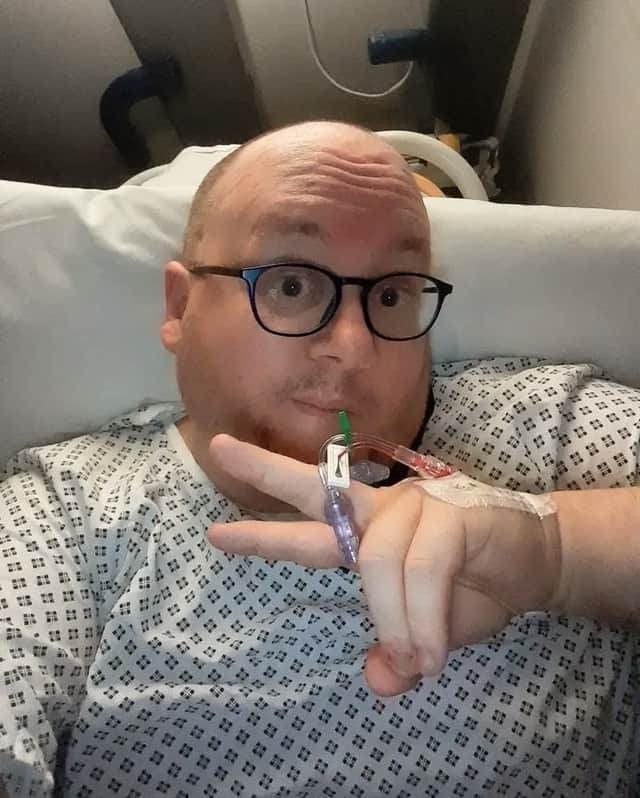
Acute pancreatitis is inflammation of the pancreas and can cause sudden, severe abdominal pain that often requires emergency hospital treatment. Although most
people recover, complications can sometimes be serious and life-threatening. In adults, around eight in ten cases are caused by gallstones or alcohol consumption, with gallstones being the most common cause.
Over the following months, Simon continued to suffer repeated flare-ups and was admitted to hospital seven times. Overall, he spent 32 days in hospital before doctors were finally able to identify what was causing the attacks.
Because Simon claustrophobia prevented him from completing an MRI scan, doctors carried out an endoscopic ultrasound instead (a thin tube with a camera and ultrasound device on the end is inserted through the mouth to get accurate pictures of the tubes leading from the gallbladder and pancreas.
The scan revealed microlithiasis which are tiny gallstones, sometimes described as sludgy sand; which were hidden within Simon’s gallbladder. The stones were so small they had not appeared on previous scans.

Simon added: “The doctors explained that these tiny gallstones and sludge were leaving my gallbladder and irritating my pancreas, which was causing the repeated pancreatitis attacks. After months of not knowing, it was a huge relief to finally have an answer.”
With the cause finally identified, doctors were able to put a treatment plan in place. Simon was placed on the waiting list for surgery to remove his gallbladder.
However, before the operation could take place, he suffered another major pancreatitis attack after more than three months without symptoms. While on his way to a GP appointment, he recognised the familiar pain immediately and was rushed back to the hospital.
Because doctors now knew what was causing the attacks, they decided his gallbladder needed to be removed as soon as possible, meaning what had originally been a routine operation became urgent surgery.
In May 2026, Simon underwent keyhole surgery to remove his gallbladder. He said:”It was my first major operation and, although I was nervous, the surgical team were fantastic.”
Now recovering from surgery, Simon is feeling optimistic about the future.
Simon said: “While there is always a possibility that previous pancreatitis attacks may have caused lasting damage to my pancreas, the cause of my pancreatitis has now been removed, so in theory it should never come back.”
As part of Guts UK’s Let Talk Guts campaign, Simon is encouraging people to take digestive symptoms seriously and seek medical help when something doesn't feel right, even if it might seem embarrassing at first.
“I wish people understood just how painful pancreatitis can be. Before I was diagnosed, it was a word I’d heard before, but I had absolutely no idea what it was.”
“One doctor told me that pancreatitis causes some of the worst pain a human being can experience, and after going through it, I believe him. The pain is completely debilitating.”
Simon's message is simple: don’t ignore symptoms or assume they will go away on their own.
“If you have severe pain under your ribs that leaves you doubled over, vomiting or unable to function, don’t do what I did and wait for hours hoping it will pass. Get medical help straight away.
He also hopes sharing his experience will help others find answers sooner.
“If someone reads my story and recognises their own symptoms, or if it encourages them to ask about further investigations that could lead to an earlier diagnosis, then it’s worth it.”