
'I knew I was addicted to ketamine but my doctor didn't believe me': A recovering Sheffield user's story
As Sheffield charities launch a campaign raising awareness for ketamine addiction, a local man has shared his experience.
When Henry* finally admitted to his GP that he was addicted to ketamine, he expected to be offered help.


Instead, he was told addiction to ketamine was impossible.
"I said 'I think I've got a problem, I think I'm addicted to ketamine'," said the Sheffield man.
"My GP said, 'I don't think you can be addicted’. So he typed on his computer, 'Is ketamine addictive?' and it came back and said ‘no’.
Henry told his doctor that was incorrect.
At the time Henry first raised concerns with his doctor, ketamine had only recently been classified as a controlled drug in the UK and understanding of its addictive potential was far more limited.
More than two decades later, Henry believes that conversation highlights a dangerous misconception that still lingers around the drug.
As Sheffield organisations Likewise, 1625 and The Corner launch a new campaign to raise awareness of ketamine, he has decided to share his experience of the damage it caused to his life.
"It is a very, very dangerous thing and people don’t realise. It is even more concerning that so many more young people are taking it now," he said.
Henry began using ketamine when he was younger, long before it became widely associated with nights out and festivals.
"Back then it wasn't really a party drug like it is now, it was more of an after-party drug," he said.
Over time, what began as occasional use developed into years of secrecy and dependence.
"It's caused lots of distress and distrust," he said.
"There were lies about where I was going, who I was seeing and what I was doing. Family events, weddings and birthdays were affected."

Henry explained the strain it placed on his nearest and dearest.
“My sister took almost a month off work because she was so worried about me.
"I didn't even know at the time, as she lives in a different city. It was very harrowing to find out about - I had no idea I had affected her like that.
"They say if you're using drugs, you're in a relationship and you can’t maintain two at once," he said.
"The drugs become a relationship, and it’s impossible to maintain any others. It's a very toxic thing."
Today, Henry is in recovery and says specialist support, alongside help from loved ones, has allowed him to rebuild parts of his life that once seemed lost.
One of the things he treasures most is being able to spend time with his young nieces and nephews.
"Because I've been a lot cleaner and safer in recent years, I've actually been able to be involved in their lives, that's been lovely," he said.
His concerns come as ketamine use continues to rise across England.
Home Office wastewater analysis found estimated ketamine consumption increased by 229 per cent between 2021 and 2025 - one of the largest increases recorded among monitored drugs.
Eve, marketing and communications officer at Likewise, said the charity's new Let's Talk About Ket campaign aims to help people better understand the risks.
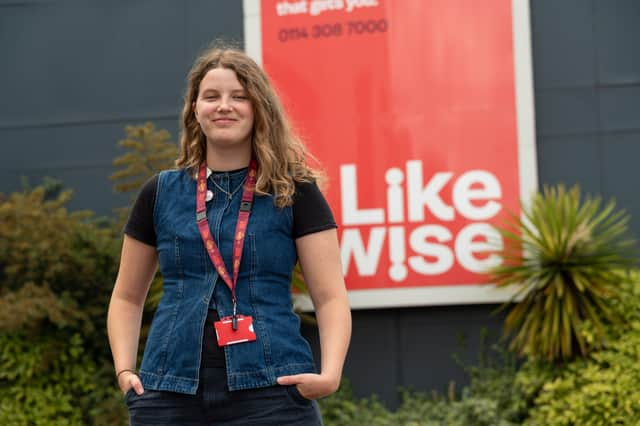
"We're trying to raise awareness around the issues and harms that come along with ketamine," she said.
"It's not about scaring people. It's about helping them make safer, more informed choices and making sure they know where to get help."
The campaign highlights potential long-term effects including bladder damage, chronic pain and mental health problems, while encouraging people to seek support early.
Henry believes many people still underestimate how difficult ketamine can be to stop using.
"The mental addiction is almost harder than the physical addiction," he said.
"With some substances there are medications or replacement programmes. With ketamine, there's no magic cure.
"You get addicted to the feeling, the escape. Sometimes it's because something awful has happened. Sometimes it's because you're celebrating.
“Before you know it, it can become an obsession."
His message to anyone struggling is to reach out sooner
"The help is there if you reach out for it, try not to isolate yourself. There's a very fine line between solitude and isolation, and that's where things can become dangerous."
*Not his real name