
Sheffield diabetics warned over virus risk
More than 30,000 Sheffielders have been faced with stark new figures about their risk from coronavirus, after NHS England told the nation’s diabetics they ‘face a significantly higher risk of dying with Covid-19’.
Type 2 diabetes is the commonest form, affecting 90 per cent of diabetics. It is caused by the body struggling to make or use insulin, and is mainly brought on by obesity, but can also be caused by genetic factors, or getting older.
However, almost one in 10 diabetics are Type 1, usually caused by the body’s own immune system destroying its insulin-producing cells, for as yet unclear reasons.
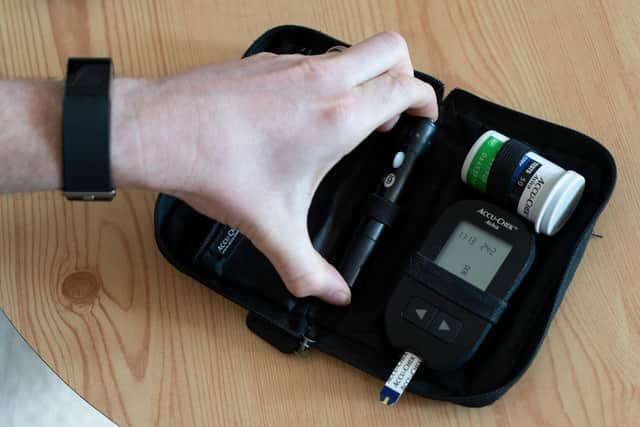

The new report states both types of diabetics are at increased risk of dying from Covid-19, but diabetes specialists urge caution, since other factors like poor blood glucose control, obesity and age also increase the risk.
Old age is by far the biggest factor associated with the risk of dying with Covid-19 - almost half of deaths are people over 85, and a quarter of people over 80 are also diabetic, which has a bearing on any statistical analysis of underlying health conditions of Covid-19 victims.
An earlier statistical report, using anonymous data from GP records, said a diabetic with poorly controlled blood glucose was at significantly higher risk than one with better control, but both were at higher risk than a non-diabetic.
Dr Jez McCole, a GP at Gleadless Medical Centre and a T1 diabetic himself, offers simple advice for all diabetics.
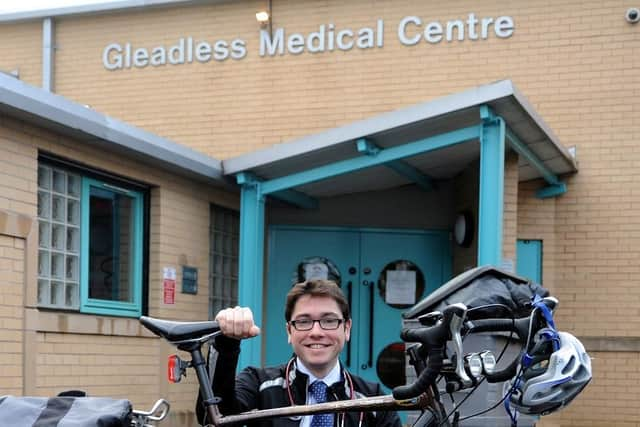
He said: “It’s worth taking extra care to guard against contracting the virus - being particularly vigilant about the social distancing that we should all be doing.
“Also, do everything you can to prepare yourself and support your immune system in case you do catch it. So regular exercise to look after your heart and lungs, get enough sleep, eat a balanced diet, and limit your alcohol intake.” He said the virus has only existed for a few months, so little is currently known about it, with only statistical evidence of risk available.
Concerned diabetics are advised to contact their GP or diabetes team for guidance.
- RELATED: Sheffield mum and daughter star in Boots campaign after cancer journey (aff)
- RELATED: Sheffield star influencer meets local homeless pets
- RELATED: Fatal accident fears as children hang off eight-storey NHS office
- RELATED: Road safety boost as lollipop lady starts work at notorious accident blackspot