
NHS South Yorkshire spends £182 MILLION in 'cash cow' contracts on private companies, with many based overseas

Researchers says it would be enough to hire 121 new doctors
New data has shown how millions is being spent on private company contracts by local NHS teams.
The research by the Centre for Health and the Public Interest (CHPI) has analysed NHS spending across the country, discovering that private companies have benefited from £1.6 billion in profits due to spending across all 42 integrated care boards in England.
Spending over the past two years was analysed, helping to identify where private company spending has drained money out of the NHS.
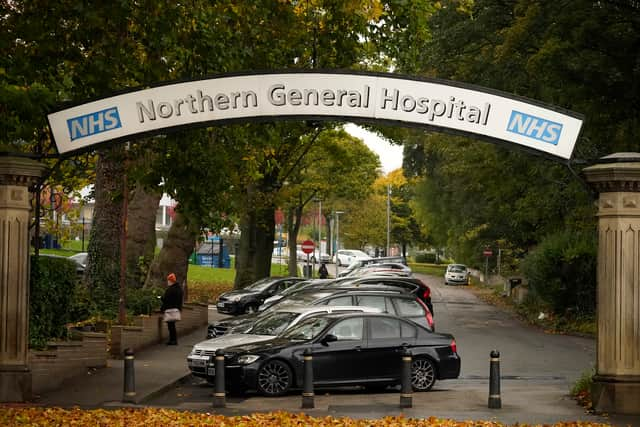

In South Yorkshire, £182.6 million was spent by the six local NHS trusts, with £51.1 million of that going to companies whose owners are registered overseas.
The CHPI has said that this equates to £21.4 million in profit being leaked out of the region’s NHS, enough to hire 121 doctors, or 258 nurses.
Union leaders have decried this expenditure, saying that NHS money should be used to ‘transform services’ for patients.
UNISON head of health Helga Pile said: “NHS contracts shouldn't be a cash cow for the private sector to take hundreds of millions of pounds.
“The health service needs to make every penny count given current funding constraints. This money would be better used to transform services for patients, increase staffing levels and boost pay.
“The government must act to ensure taxpayers' money isn’t used to swell the coffers of private firms.”
Nevertheless, the local NHS have said that these private contracts are essential in tackling waiting lists, and that they ensure all companies meet their standards of quality.
A spokesperson for NHS South Yorkshire added: “Private companies have an important role in addressing the NHS waiting list backlog and contributing to the development of a more sustainable healthcare system.
“However, all services commissioned from independent sector providers must consistently meet the standards of quality, safety, and clinical effectiveness expected of the NHS to deliver high quality care.”
Still the authors of the study are calling on decisive action to manage NHS spending and curtail private profits form public health services.
David Rowland, director of the CHPI and author of the research said: “Given the massive pressures faced by the NHS in South Yorkshire, the large amounts of profits which are leaking out of the NHS to private companies urgently needs to be looked at both by central government and local NHS leaders.
When looking at how to achieve the very large savings needed to keep the NHS afloat in South Yorkshire the first port of call should be a cap to stop private companies making excessive profits from NHS funding.”