
'I was hesitant to have a kidney from my son': Darnall dad saved by son's transplant
Sheffield son who donated kidney to his father hopes to inspire more ethnic minority donors
A Sheffield man who donated one of his kidneys to his father hopes sharing their family's story will encourage more people from ethnic minority communities to consider organ donation.
Ali Akhtar, 35, from Tinsley, donated a kidney to his father Salim at the Northern General Hospital after watching him battle kidney failure for much of his life.
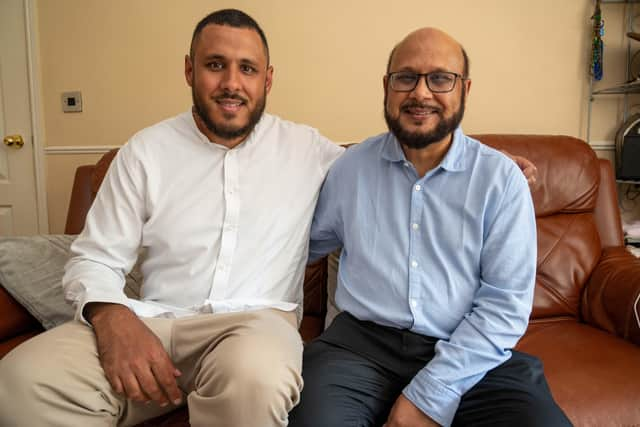

The transplant came more than two decades after Salim received a kidney from a deceased donor, following years of dialysis.
Growing up, Ali saw first-hand the impact kidney disease had on his father and the wider family.
He said watching his father's illness helped shape his decision to pursue a career in medicine, but when Salim's health began to decline again, his focus was on preventing him from returning to dialysis.
Salim developed kidney failure in his early 30s and spent years travelling to hospital three times a week for dialysis treatment.
While the treatment kept him alive, he said it took a significant physical and emotional toll.
"Often when I came home, I was exhausted," he said.
"It took a lot out of me physically and mentally."
After sessions, he would often lie on the floor at home trying to recover his strength.
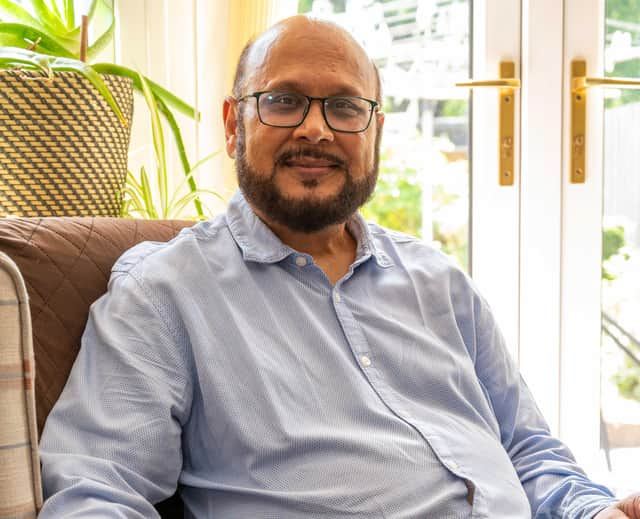
"My kids were very young at the time. They were aware something wasn't right, and potentially they didn't get as much quality time as they would have had if I'd been better."
Salim stressed that dialysis can affect people differently.
"I struggled somewhat with it. I think some people take to it somewhat better and some people potentially take to it much worse."
A transplant eventually transformed his quality of life and allowed him to return to a more normal routine. But after more than 20 years, the donated kidney began to fail.
As his kidney function declined, Ali and his three brothers began discussing how they could help prevent their father from having to return to dialysis.
After extensive testing, Ali was found to be the best match.
"There was no question about it," he said.
"I was nine-years-old the first time around, but I wasn't young this [second] time. I was a grown man."
The process took around 18 months and included assessments, scans, educational sessions and meetings with previous donors and recipients.
Although Ali works as a GP and understood the medical side of the procedure, he admitted he still felt apprehensive before the operation.
"You can read about it, but it's different to live through it."

For Salim, accepting such a gift from his son was difficult.
Speaking emotionally, he said he was "extremely proud" of Ali and admitted he was initially reluctant to accept a kidney from him.
"To be honest with you, I was very hesitant to have a kidney from my son but he was very persistent," he said.
The operation took place at the Northern General Hospital in August 2024 and both men have recovered well.
While some have described Ali as a hero, he insists the real credit belongs to the NHS staff who made the transplant possible.
"The real heroes are the colleagues at the kidney unit," he said.
"They see every day the difference this makes to people's lives."
He praised the transplant team for supporting both him and his father throughout the lengthy process and helping them understand every stage of the journey.
Now, both father and son hope sharing their experience will encourage more people from ethnic minority backgrounds to consider organ donation.
Black, Asian and minority ethnic patients often wait significantly longer for suitable donor matches because of a shortage of donors from similar backgrounds.
"If we can help any families or people in similar situations that we were in, then that's definitely a good thing," Ali said.
- RELATED: Sheffield NHS trusts confirm they won't share patient data with Palantir
- RELATED: Sheffield central ambulance station hub plans moving forward
- RELATED: 'Time to let charity cancer vehicles in Sheffield's bus lanes'
- RELATED: Major plans for new swimming pool, sports hall and football pitches unveiled