
How hospitals in Sheffield are coping with flu surge - and everything you need to know about the new strain

Sheffield’s hospitals are facing a major surge in ‘super flu’ cases, as a virulent new strain hits the city.
Most recent figures show that there were 89 patients in the adult hospitals in the city with the new H3N2 strain of the disease on Wednesday, and bosses are putting together emergency plans to deal with the position.
And the BBC has reported that NHS figures showed for the week commencing December 1, some 4.9 per cent of beds at Sheffield Children’s Hospital were taken up by flu cases, one of the highest figures in the country (17th).
Michael Harper, Chief Operating Officer at Sheffield Teaching Hospitals NHS Foundation Trust said: “Like most other hospitals across the NHS, we are experiencing high levels of emergency care demand which is further exacerbated by a higher-than-normal number of flu cases this year.


“As of Wednesday December 10, we had 89 patients admitted with confirmed flu and many more with other respiratory illnesses.
“We have plans in place to manage increases in demand including increasing the number of beds where possible.
“Teams are working exceptionally hard across our hospitals and community services, and people can help us by collecting patients in a timely manner when ready for discharge and only using A&E in genuine emergencies.”
Dr David Crichton, a GP and chief Medical Officer at NHS South Yorkshire, described the wave of flu across the across South Yorkshire and the rest of the country as ‘high levels’.
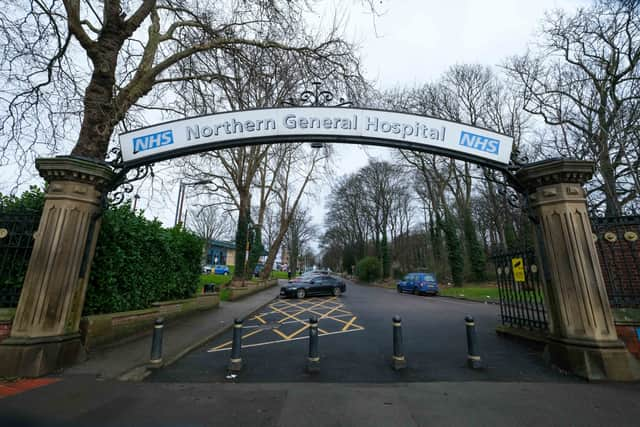
He added: “The number of patients we are seeing across all NHS services, including in GP practices, is very high for this time of year and our health services are under extreme pressure.
“NHS staff in our communities and hospitals are working extremely hard to help people get the advice and treatment they need as quickly as possible. If you are worried about your symptoms or not getting better over time, then call NHS 111 or use 111 online to get the advice and guidance. If you can please stay at home and avoid contact with other people where possible.
“It is extremely important that anyone who is eligible to get their flu vaccination to help prevent them getting seriously ill. Vaccination is the best protection against getting potentially very ill and it also helps protect those around you.”
What you can do
Health Bosses are making it clear that there are alternatives to A&E for non-emergency care available.
You can call NHS 111; visit the Broad Lane NHS walk in centre (open 8am-10pm); or visit the minor injuries unit at the Hallamshire Hospital (open 8am - 8pm).
They are asking people ask people not to visit the city’s hospitals if they are unwell to limit the spread of flu and other seasonal illnesses.

They also urge everyone who is eligible to get their flu vaccination to give themselves the best possible protection.
Dr Crichton said: “If you are worried about your symptoms or not getting better over time, then call NHS 111 or use 111 online to get the advice and guidance. If you can please stay at home and avoid contact with other people where possible.”
What is the H3N2 strain and why is it dangerous?
The predominant strain of flu that is circulating this winter, the drifted H3N2 strain, means there is "less natural immunity in the community", according to the UK Health Security Agency (UKHSA).
Experts say the H3N2 flu strains typically affect older adults more severely than H1N1 strains, leading to more hospitalisations and deaths, creating further pressure on our NHS this winter.
Experts say the illness that seems to be hitting harder and lasting for longer than expected.
The latest NHS figures show the number of people in hospital in England with flu has jumped by 55 per cent in a week and remains at a record level for this time of year.
This year's flu season also started a month earlier, while a drifted influenza A(H3N2) strain - also known as subclade K - is currently dominating cases in England , according to the UK Health Security Agency (UKHSA).
Last month, UKHSA said the new strain was driving the early surge in cases.
The agency said activity has "risen unusually early" with "increases first seen in teenagers and young adults, followed by younger children".
What are the symptoms of flu?
Flu can come on very quickly with symptoms such as a sudden fever, tiredness, aches and pains, a dry cough, sore throat, headache, trouble sleeping, loss of appetite, feeling sick and diarrhoea.
If you’d like to receive more stories like this as well as the latest news from Sheffield and South Yorkshire, subscribe to our free daily newsletter
What can you do to try and avoid flu?
As flu spreads easily and can live on surfaces for 24 hours, frequent hand washing and coughing or sneezing into tissues which are immediately thrown in the bin can help.
Health leaders have also urged eligible people to come forward and get their flu jab.
There were suggestions of mask wearing from NHS Providers chief executive Daniel Elkeles.
He said that if people are coughing and sneezing, but are well enough to go to into work, they should consider wearing masks in public spaces or on public transport to help stop the spread of the virus.
What should you do if you think you have flu?
The NHS suggests rest, keeping warm, drinking plenty of fluids and taking paracetamol or ibuprofen to help with fever, aches and pains. Pharmacists can also advise on remedies.
The health service stresses that people should call NHS 111 or seen an urgent GP appointment if they are over 65, pregnant, worried about their child's symptoms, have long-term medical conditions, have a weakened immune system or if symptoms do not improve after seven days.
Barnsley Hospital asks for masks
Barnsley Hospital confirmed it had seen an increase in patients presenting to the emergency department with flu.
Due to the increase and the number of patients visiting the emergency department, the Trust has asked that staff and visitors wear a mask to help protect from possible infection. They said this was a temporary measure alongside other infection prevention and control precautions.
A hospital spokesperson said: “Winter always brings extra pressure on health services, and the NHS plans for this well in advance with mask-wearing being one of a range of measures. Flu can make some people seriously ill, but having the flu vaccination can significantly reduce the risk of serious illness and the need for hospital admission.
“To help reduce the risk of spreading flu, wash your hands often with soap and warm water, cover your nose and mouth when you sneeze, and bin used tissues as quickly as possible. Taking steps to help reduce the spread of flu, as well as having a flu vaccination really can help reduce the pressure on health services over the winter period.”
Rotherham response
Helen Dobson, chief nurse at The Rotherham NHS Foundation Trust, said: “We are seeing an increase in the number of patients testing positive for flu, mirroring other hospitals across the country. Our services, along with other Trusts, are already feeling the pressure the early flu season is having, with high attendances at the Urgent and Emergency Care Centre – admissions to inpatient wards are also high.
“We start planning for winter well in advance and have robust plans in place to help us through the busiest time of year. Despite pressures on health services, it is really important that those in need of urgent medical attention come forward and receive the treatment they need. However, the Urgent and Emergency Care Centre should only be used by those most in need, and there are other options available across Rotherham that may be more appropriate.
“Flu can make some people seriously ill, but having the flu vaccination can significantly reduce the risk of serious illness and the need for hospital admission.”
“To help reduce the risk of spreading flu, wash your hands often with soap and warm water, cover your nose and mouth when you sneeze, and bin used tissues as quickly as possible. We are also advising anyone at high risk of catching flu wears a face mask if they are able, particularly when attending the hospital or our community services.
“We are also asking that anyone with symptoms of respiratory viruses do not visit patients at the hospital to help reduce the spread of illness.
“Taking steps to help reduce the spread of flu, as well as having a flu vaccination really can help reduce the pressure on health services over the winter period.”