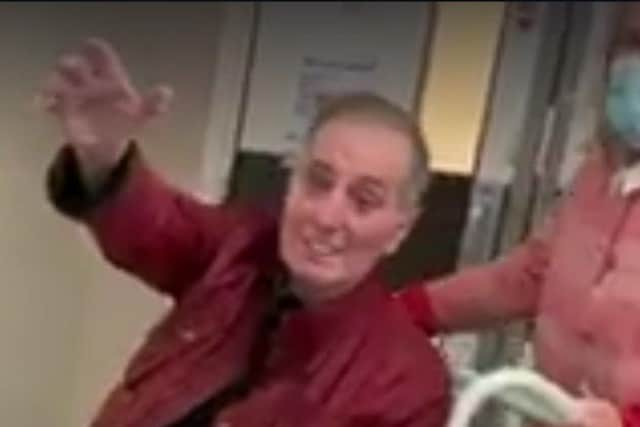
Hospital reveals the number of patients who have recovered from Covid-19 in Sheffield
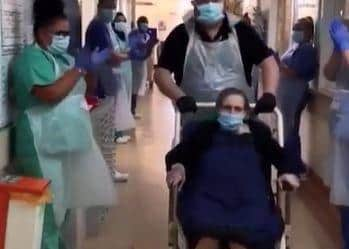
Since the beginning of the coronavirus pandemic, more than 2,500 people have been discharged from Sheffield Teaching Hospitals after being admitted with Covid-19, hospital bosses have revealed.
In total, 2,509 patients have now been discharged after coming into adult hospitals in the city with the virus since the coronavirus crisis began in March.
Sadly, as of Tuesday, December 29, 518 people had also died with Covid-19 after being admitted to hospital in Sheffield with the killer virus.
Prof. Christopher Morley, chief nurse at Sheffield Teaching Hospitals, said: “Thanks to the hard work and care provided by our staff, we are delighted that we have discharged a total of 2,509 patients following treatment for Covid-19 since the start of the pandemic.

“However our thoughts are still with those who tragically lost their lives during this time to this awful virus.
“We would therefore like to remind everyone of the importance of continuing to maintain social distance, wear masks when appropriate and wash their hands regularly as we know the virus is still prevalent in our community at this time.”
The news comes as the Yorkshire Ambulance Service appealed for the public to use the ambulance service wisely and warned that unnecessary calls could delay responses to those most in need of emergency help.
Stephen Segasby, deputy director of A&E operations, said: “We are always really busy at this time of the year but the pandemic brings a unique set of challenges.
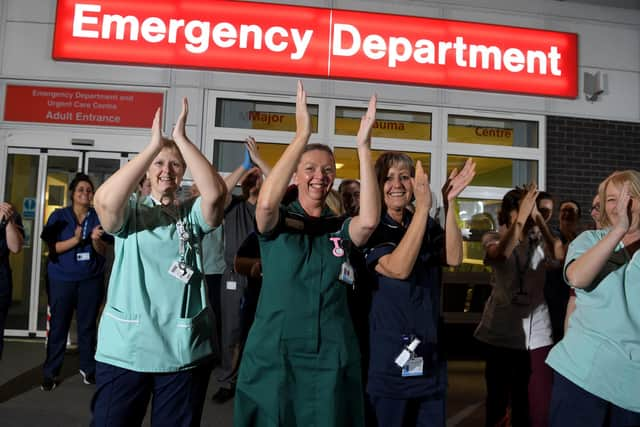
“We continue to prioritise our response to the most seriously ill and injured patients and the public have a really important role to play in knowing when to call 999 and when another NHS service is more appropriate.
“If someone is seriously ill or injured and their life is at risk, you should call 999 immediately.
If not, please consider other options such as 111, your GP or pharmacy.”
Genuine 999 calls include chest pain, difficulty breathing, loss of consciousness, severe loss of blood, severe burns and scalds, choking, fitting/convulsions, drowning, severe allergic reaction, heart attack, stroke and major trauma such as a serious road traffic accident, stabbing, shooting, fall from height or a serious head injury.