
Hospital pressures grow as Rotherham records surge in admissions for over-65s

More older people in Rotherham are being admitted to hospital than expected, and delays in getting patients home safely are rising, according to a new report.
The update to Rotherham Metropolitan Borough Council’s health and wellbeing board looks at the first quarter of this year’s Better Care Fund plan - a national programme that helps councils and the NHS work together to keep people well at home for longer, reduce pressure on hospitals and avoid unnecessary long-term care placements.
The report says that despite strong partnership working in Rotherham, the borough has missed all three of its early-year targets.
The biggest pressure is a rise in emergency hospital admissions for people aged 65 and over. National data shows Rotherham recorded higher-than-planned admission rates in April, May and June. Health and care services say they are working to reduce avoidable admissions by expanding the virtual ward and strengthening out-of-hospital support for frailty, respiratory illness, diabetes and heart failure.
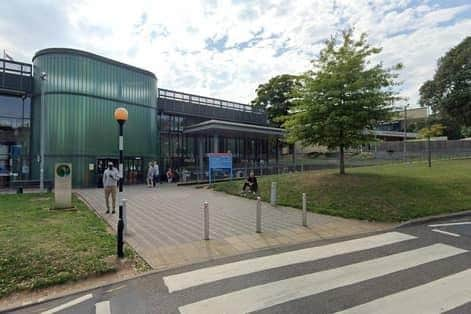

The second area off track is hospital discharge. Patients who were medically fit to leave hospital spent slightly longer waiting for care arrangements to be put in place. This was made worse by very high summer demand, which meant additional hospital beds stayed open for longer than expected. The council and NHS are increasing capacity in enablement services and redesigning adult social care pathways to speed up discharge.
The third metric measures long-term admissions to residential and nursing care. Rotherham recorded 122 admissions from April to June, compared with a target of 82. Rising needs in the community have meant more people were placed in short-term care beds, some of which then became long-term placements. A joint task group is reviewing discharge pathways to ensure people are supported at home wherever possible.
The report also highlights ongoing work to reduce health inequalities through carer support, social prescribing and preventative programmes.