

Nationally, healthcare science underpins a staggering 80% of all NHS diagnoses, providing the backbone of clinical decisions and care.
Within Sheffield Teaching Hospitals NHS Foundation Trust, healthcare scientists contribute their expertise across almost 50 distinct specialisms, ranging from diagnostics and therapies to computing and equipment management.
Although this contribution often goes unnoticed by the public, this innovation and expertise is woven into every stage of a patient’s care – from the analysis of blood samples to the development of advanced medical equipment and the application of cutting-edge therapies.
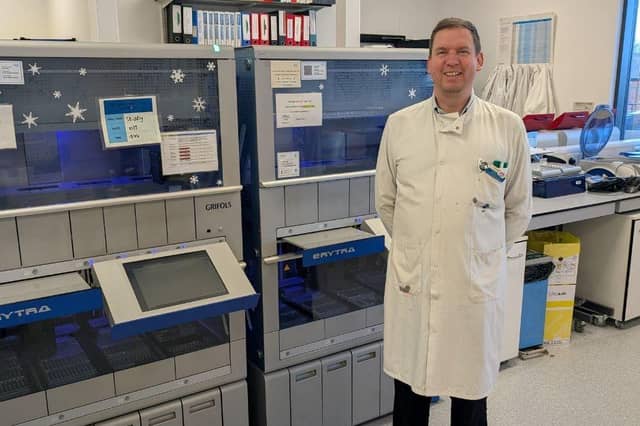
Andrew Lumley is a biomedical scientist who works in the haematology, coagulation and transfusion lab at the Northern General Hospital, testing patients’ blood for various things. His team work 24/7 to make sure someone is always there and always available to support patients.
“Although we do not interact directly with patients, we are only one step away from them. Our presence in the building is essential, as our work cannot be done remotely.”
Andrew, who has worked in the field for 20 years, also supports with the diagnosis and treatment of various blood disorders, including sickle cell and leukaemia, alongside many others.
“My proudest moments include ensuring safe blood transfusion products – in an emergency we can provide patients’ blood group and matched blood ready within 10 minutes of a sample arriving in the lab. I am also proud to assist in diagnosing and treating a range of blood disorders,” he added.
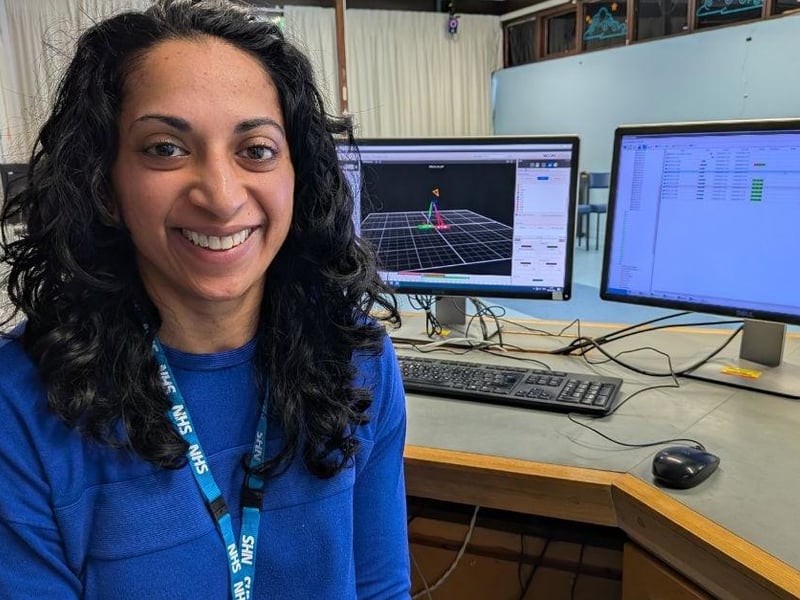
Other healthcare science role includes those who work beyond the traditional hospital walls to bring technology and specialised equipment to help patients. Myurah Nathan, a clinical scientist at Sheffield Teaching Hospitals NHS Foundation Trust, runs a community-based foot pressure clinic and ensures tests are carried out safely and accurately.
She said: “Although healthcare science is often viewed as a behind-the-scenes profession, my role is very much patient facing. I regularly work with patients during assessments, bringing specialised equipment to them and ensuring tests are carried out safely and accurately. This means I spend time explaining procedures, supporting patients throughout the assessment, and adapting the setup to meet individual needs.”
Her role has also given her the opportunity to contribute to research. This includes the SHAPES trial, which is exploring the effect of adaptive patterned electrical stimulation on arm spasticity following stroke.
“In this project, I am responsible for fitting participants with the device and teaching them how to use it,” she said.
Healthcare scientists also play a crucial role in supporting patients during X-ray procedures.
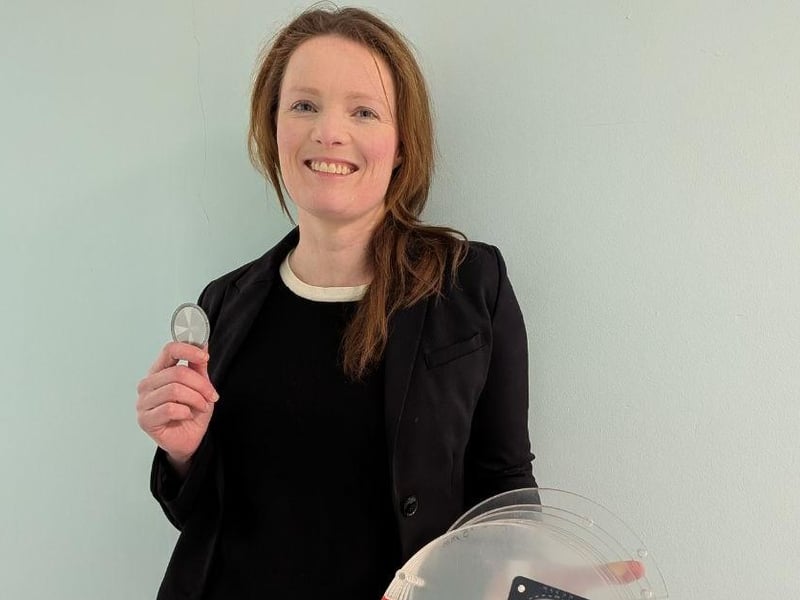
“Over the years I've done lots of project work to reduce patient radiation doses, which is always really satisfying," Andrea Williamson, a medical physics expert at the Royal Hallamshire Hospital, said.
"Supporting radiology departments to look at their imaging methods and reduce doses themselves is always really empowering too. Knowing that my science skills are utilised to help people is a really big motivator.
"There is also a certain amazement at the incredible technology we have to help patients.”
Further information about healthcare science careers can be found on the Health Careers website.
1. Contributed
Myruah brings specialised equipment to help patients in the community Photo: Submitted
2. Contributed
Andrea's science skills help patients who are undergoing procedures using radiation Photo: Submitted
3. Contributed
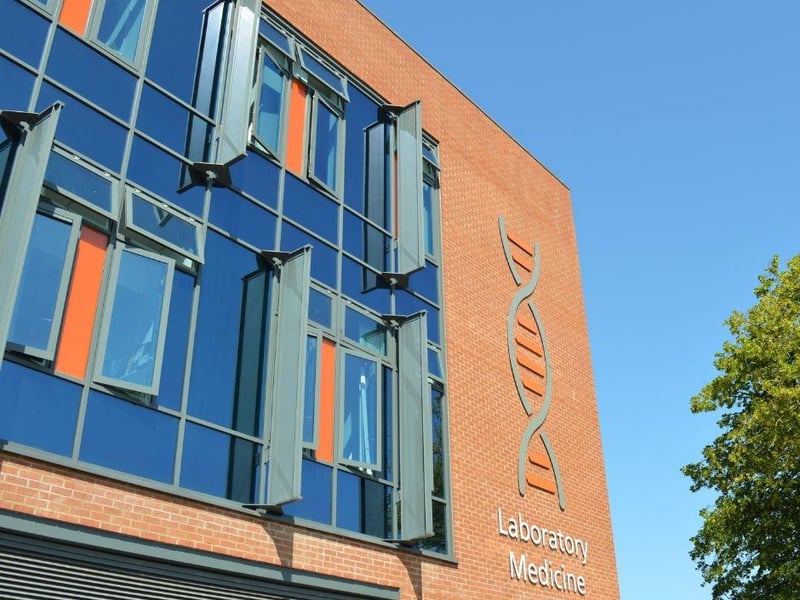
There are nearly 50 healthcare science specialisms at Sheffield Teaching Hospitals NHS Foundation Trust Photo: Submitted
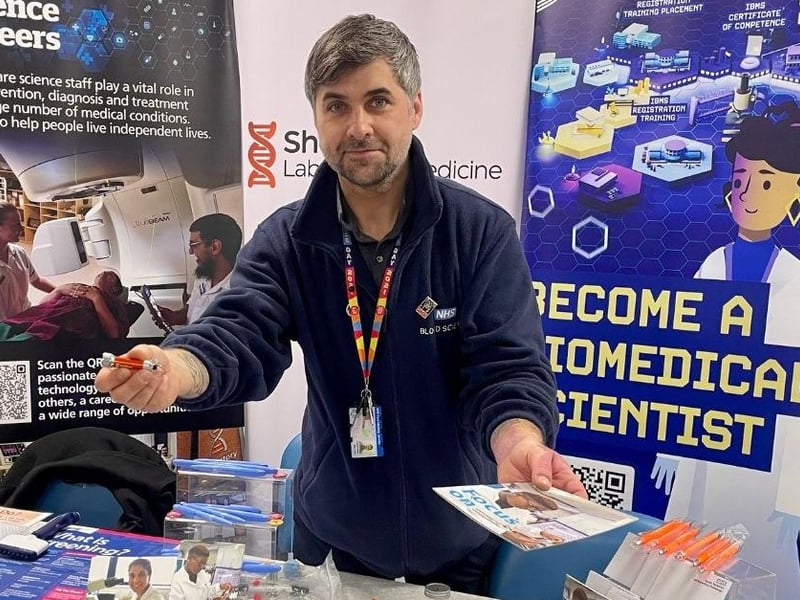
4. Contributed
A career in healthcare science can have a positive impact on patients Photo: Submitted