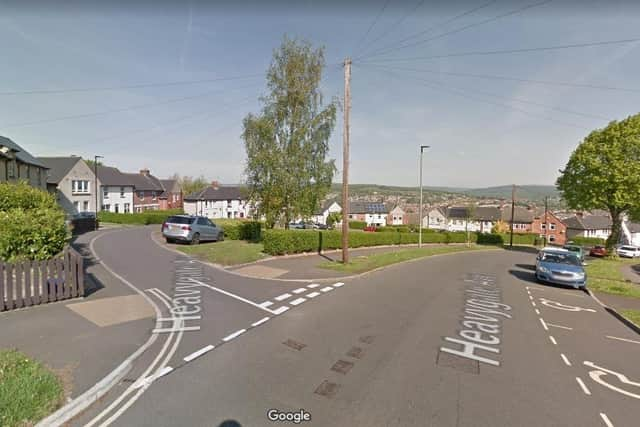
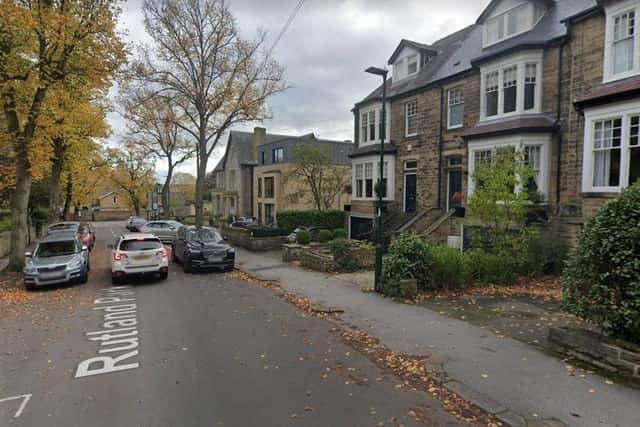
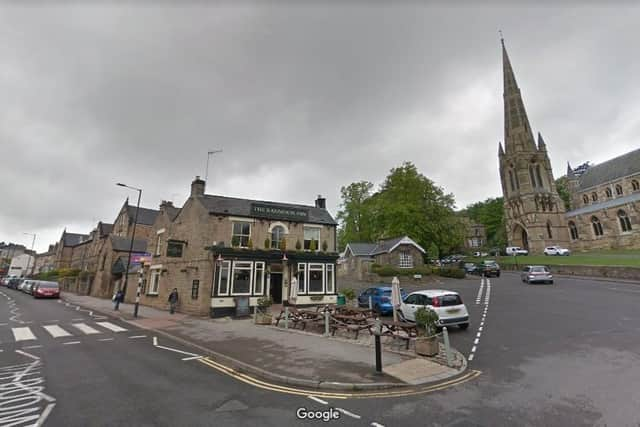
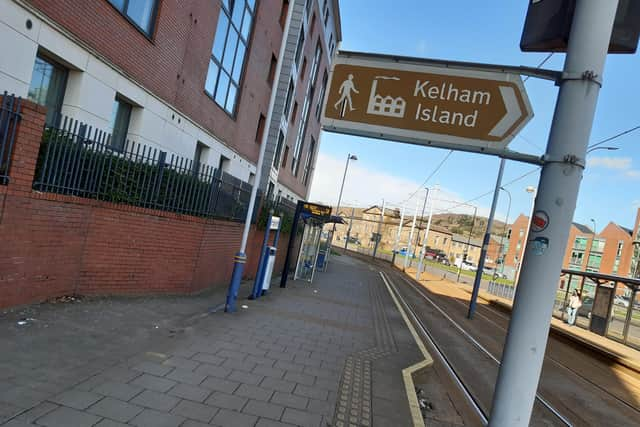
Figures suggest these are the 20 happiest places in Sheffield, including Highfield, Kelham and Broomhall

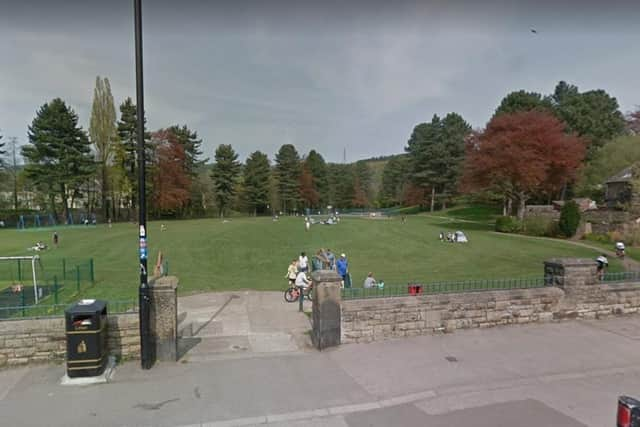
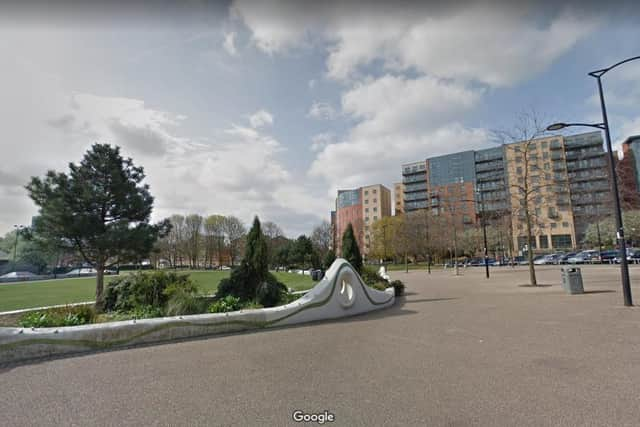
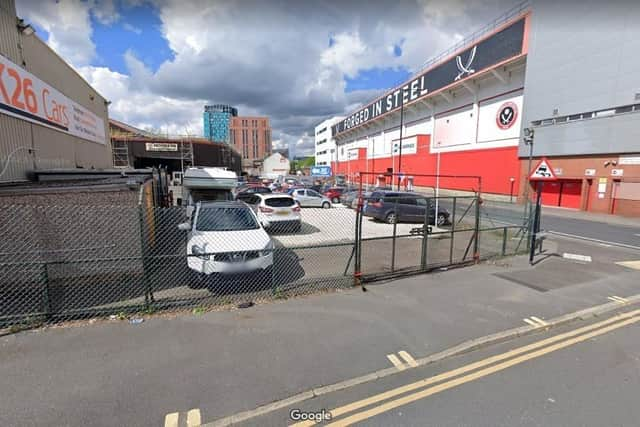
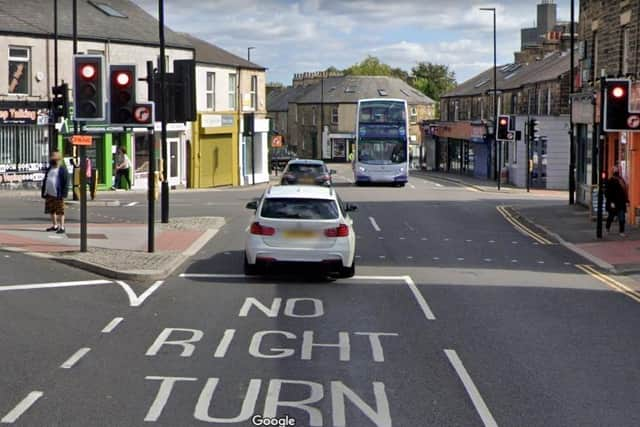
They may not be the wealthiest parts of Sheffield – but figures suggest these 20 areas of Sheffield are the happiest in the city.

We have looked at official Government figures which estimate the levels of depression among residents, based on information on GP registers across the city – and found the areas where there are fewer people suffering from the condition.

We have listed in this gallery what the information suggests are the happiest places in the city, starting from the 20th happiest, Nether Edge, and finishing with the happiest. So the list is topped by the area of the city which has the lowest per cent of the population listed as depressed.

The information used to draw up the list was from 2019/20, and recorded the number of people recorded as having the relevant health conditions.

We have used official Government figures to rank the happiest places in Sheffield. This list is in ascenting order from 20th to first.placeholder image
We have used official Government figures to rank the happiest places in Sheffield. This list is in ascenting order from 20th to first.

The data from GP practices was published by NHS digital. They are only estimates and are sensitive to the accuracy and method of GP data reporting.The figures, published in April 2021, is from the House of Commons Library (https://commonslibrary.parliament.uk/social-policy/health/diseases/constituency-data-how-healthy-is-your-area)

Nether Edge had an estimated prevalence of depression of 9.5%, making the 20th happiest place in Sheffield on this measure.placeholder image
Nether Edge had an estimated prevalence of depression of 9.5%, making the 20th happiest place in Sheffield on this measure.
Malin Bridge & Wisewood had an estimated prevalence of depression of 9.5% PIcture: Googleplaceholder image
Malin Bridge & Wisewood had an estimated prevalence of depression of 9.5% PIcture: Google
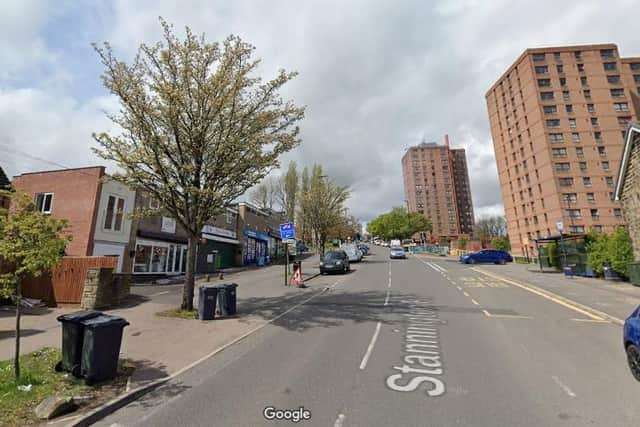
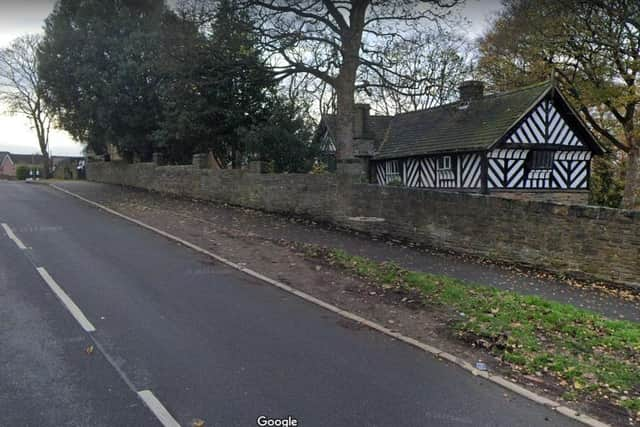
Lower Stannington had an estimated prevalence of depression of 9.4%. PIcture: Google streetviewplaceholder image
Lower Stannington had an estimated prevalence of depression of 9.4%. PIcture: Google streetview
Brincliffe & Sharrow Vale had an estimated prevalence of depression of 9.2%placeholder image
Brincliffe & Sharrow Vale had an estimated prevalence of depression of 9.2%
Crookes had an estimated prevalence of depression of 9.2%placeholder image
Crookes had an estimated prevalence of depression of 9.2%
Upperthorpe, Netherthorpe & Langsett had an estimated prevalence of depression of 9.1%. Google streetviewplaceholder image
Upperthorpe, Netherthorpe & Langsett had an estimated prevalence of depression of 9.1%. Google streetview
Wadsley & Marlcliffe had an estimated prevalence of depression of 8.7%. PIcture: Google streetviewplaceholder image
Wadsley & Marlcliffe had an estimated prevalence of depression of 8.7%. PIcture: Google streetview
Fulwood & Lodge Moor had an estimated prevalence of depression of 8.7%. PIcture: Google streetviewplaceholder image
Fulwood & Lodge Moor had an estimated prevalence of depression of 8.7%. PIcture: Google streetview
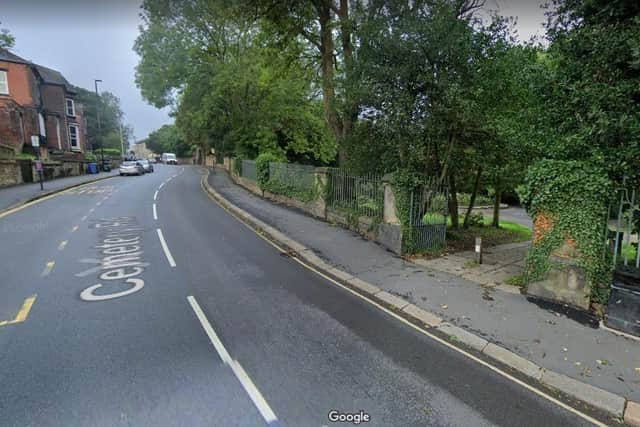
Meersbrook had an estimated prevalence of depression of 8.5%. PIcture:  Google streetviewplaceholder image
Meersbrook had an estimated prevalence of depression of 8.5%. PIcture: Google streetview
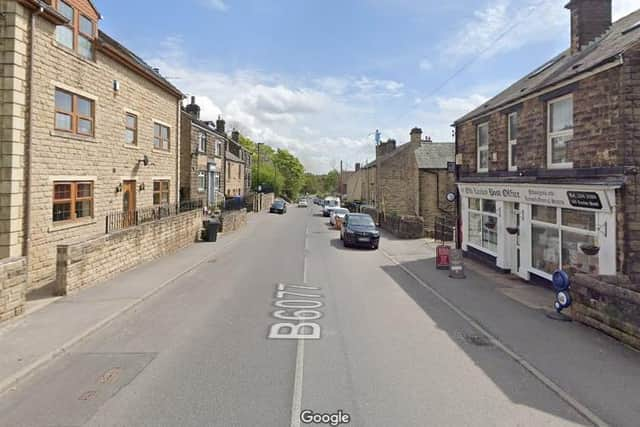
Upper Stannington & Loxley had an estimated prevalence of depression of 8.2%. PIcture: Googleplaceholder image
Upper Stannington & Loxley had an estimated prevalence of depression of 8.2%. PIcture: Google
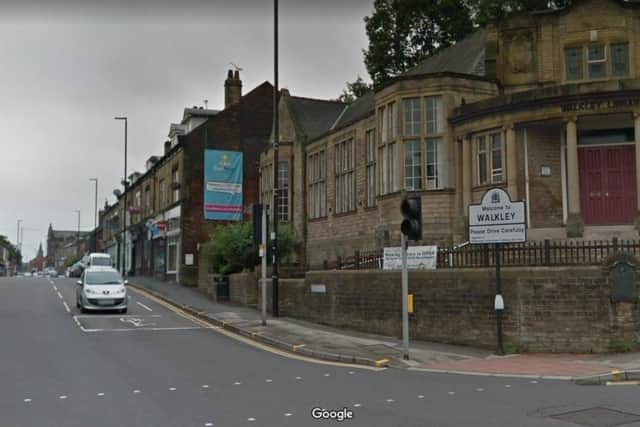
Walkley had an estimated prevalence of depression of 8.2%placeholder image
Walkley had an estimated prevalence of depression of 8.2%
Sharrow had an estimated prevalence of depression of 7.8%. PIcture: Googleplaceholder image
Sharrow had an estimated prevalence of depression of 7.8%. PIcture: Google
Oughtibridge & Bradfield had an estimated prevalence of depression of 7.8%placeholder image
Oughtibridge & Bradfield had an estimated prevalence of depression of 7.8%
Devonshire Quarter  had an estimated prevalence of depression of 7.5%. PIcture: Googleplaceholder image
Devonshire Quarter had an estimated prevalence of depression of 7.5%. PIcture: Google
Highfield & Lowfield had an estimated prevalence of depression of 7.5%placeholder image
Highfield & Lowfield had an estimated prevalence of depression of 7.5%
Broomhill & Lower Crookesmoor had an estimated prevalence of depression of 7.4%. PIcture: Googleplaceholder image
Broomhill & Lower Crookesmoor had an estimated prevalence of depression of 7.4%. PIcture: Google
Springvale & Steel Bank had an estimated prevalence of depression of 7.1%placeholder image
Springvale & Steel Bank had an estimated prevalence of depression of 7.1%
Broomhall had an estimated prevalence of depression of 6.9%placeholder image
Broomhall had an estimated prevalence of depression of 6.9%
Endcliffe & Ranmoor had an estimated prevalence of depression of 6.5%. PIcture: Google streetviewplaceholder image
Endcliffe & Ranmoor had an estimated prevalence of depression of 6.5%. PIcture: Google streetview
Cathedral & Kelham had an estimated prevalence of depression of 6.2%, the lowest in Sheffield, making it the happiest place in Sheffield on this measureplaceholder image
Cathedral & Kelham had an estimated prevalence of depression of 6.2%, the lowest in Sheffield, making it the happiest place in Sheffield on this measure
News you can trust since 1887
Follow us
© 2026 Iconic Media Group Ltd. All rights reserved.Cookie SettingsTerms and ConditionsPrivacy notice