
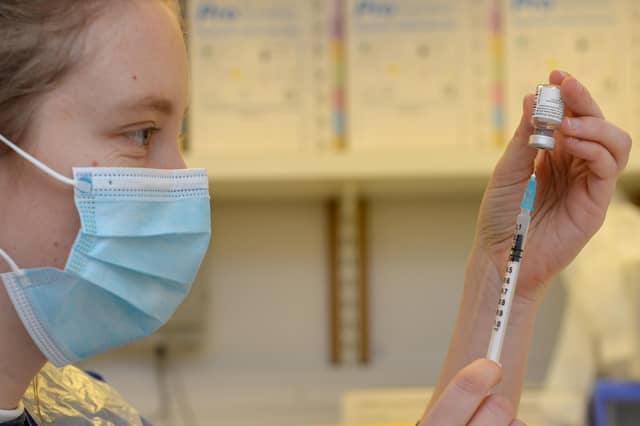


The Delta Plus strain, which is also being called AY4.2, is a descendant of the Delta variant and has been slowly increasing in case numbers in the UK, although there is currently no evidence that it spreads more easily.
In the latest week on record (to October 9) 107 positive Covid tests from Sheffield were genomically sequenced by scientists to determine their variant.
Of these, nine were found to be Delta Plus – 8.4 per cent of the total.
It is important to note that these figures do not show the overall number of Delta Plus cases, as not all tests are genomically sequenced - but they do show the proportion of Covid samples that are now this new variant.
Meanwhile, Covid infections rates have been on the rise in Sheffield since October 6.
From the latest data available for infection rates of different areas of the city (the week to October 18), it can be seen that seven parts of Sheffield have infection rates of more than 800 new cases per 100,000 in those seven days.
These are the areas with the highest infection rates in Sheffield.
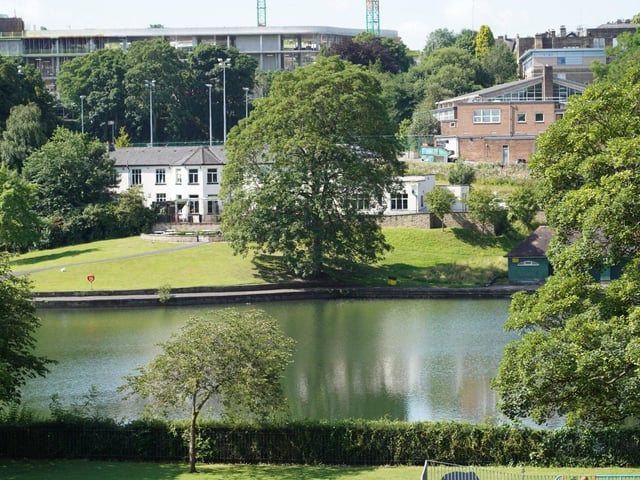
1. Crookes
There were 60 new cases recorded in the week to October 18 here, meaning the infection rate was 975.6 per 100,000 of the population. Photo: Scott Merrylees
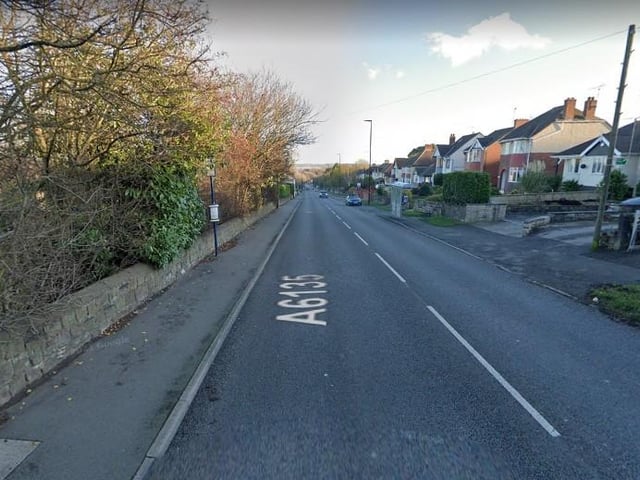
2. Mosborough & Halfway
There were 84 new cases recorded in the week to October 18 here, meaning the infection rate was 920.2 per 100,000 of the population. Photo: Google Maps
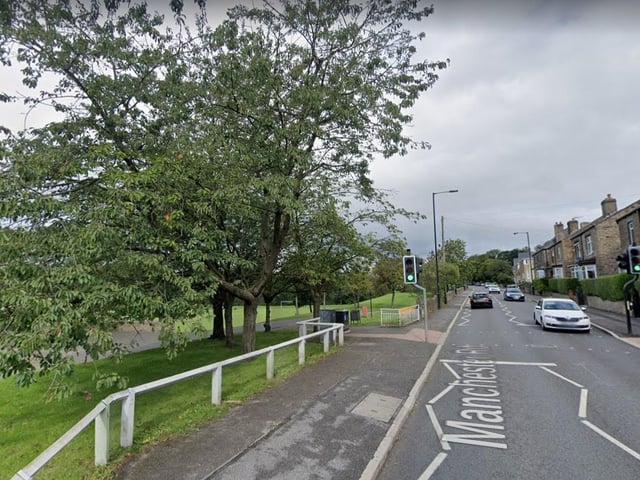
3. Sandygate and Crosspool
There were 58 new cases recorded in the week to October 18 here, meaning the infection rate was 920.1 per 100,000 of the population. Photo: Google
4. Eckington West and Coal Aston
There were 57 new cases recorded in the week to October 18 here, meaning the infection rate was 858.6 per 100,000 of the population. Photo: Google