
Parents forced to leave jobs to look after children during pandemic
Some parents have left their jobs to look after their children during the coronavirus pandemic, a survey has found.
As UK households end a second week of living in lockdown, the first survey of its kind, by Save the Children, found children's mental health and wellbeing has become a grave concern for parents.
The survey also revealed a quarter of parents are juggling working from home with childcare duties, while 17 per cent have reduced their working hours to take care of children.
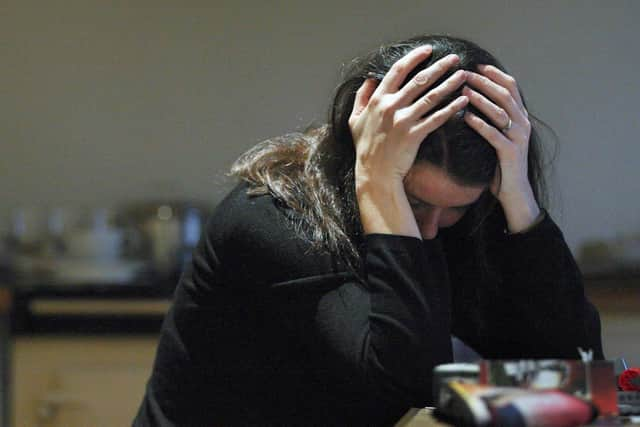

A further 12 per cent have been forced to take unpaid leave to look after their children, while one in 10 have had to leave their jobs completely.

The survey was carried out between March 24 and 25, involving 1,002 parents with children aged six to 18 as well as youngsters in the same age bracket.
More than half of parents – 56 per cent – said they are worried about their child's mental health at a time when schools are closed and contact with friends and family is restricted as a result of social distancing.
Some 58 per cent of youngsters said they were most concerned about a family member becoming sick, 25 per cent said they were worried about food running out, 46 per cent said they were worried about not seeing friends and 20 per cent said they were worried about keeping up with school work.
Asked about the biggest practical concerns that came with looking after their families, 48 per cent of parents said ensuring they have food supplies, 44 per cent said helping children with schoolwork and 33 per cent said money.
The survey results have been published as Save the Children launches a fundraising appeal for vulnerable children affected by coronavirus.
The children's charity announced a new emergency grants programme in the UK to respond to the Covid-19 crisis, which aims to reach thousands of struggling families.
The programme will ensure families have access to early learning resources, as well as goods such as tables and beds, to help build home environments where children can continue to learn.
It will also support vulnerable families with food vouchers.