
Heartbreaking toll of coronavirus on Sheffield revealed in number of 'excess deaths'
Almost 900 people died in Sheffield in April, more than double the number the city would have expected to see were it not for the coronavirus pandemic.
New figures released today by the Office for National Statistics show that 881 people died in the city last month - 459 more than the five-year average of 422.
The previous data for March didn’t show much impact from covid-19, but the current figures record what was happening at the height of the pandemic.
Not all of the deaths are from covid-19, but this ‘excess deaths’ figure is thought by many experts to be the best measure of the impact of the pandemic on the nation’s mortality rates.
In light of the figures, health service bosses in the city have urged patients with long-term health problems or new-onset symptoms not to put off accessing care.
Earlier this week they revealed the number of people being referred for cancer tests had fallen by 58 per cent and weekly urgent referrals from GPs to secondary care have gone down by 74 per cent.
Dr Terry Hudsen, the chair of Sheffield’s clinical commissioning group said it was vital residents realised the health service in the city was ‘open for business’.
The first person to die in Sheffield from coronavirus was 78-year-old grandfather-of-four Leonard Gibson from Oughtibridge.
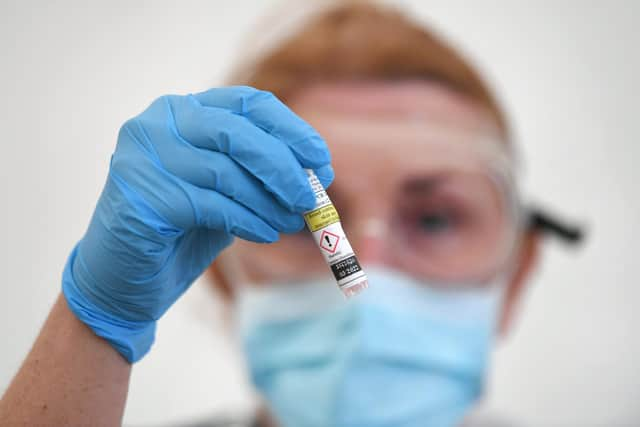

When he died in Northern General Hospital in mid-March, his heartbroken family urged the people of Sheffield to take the killer disease seriously.
Since then, 263 more people have died in the city’s hospitals, while scores more have died in its care homes.
Last week, data from the ONS showed that the city had the worst affected care system outside London.
Across South Yorkshire, 2,208 people died in April, 1,105 more than would be expected in a normal year.
These include 442 in Doncaster, 412 in Barnsley and 473 in Rotherham.
The infection and death rates in the UK have now come down considerably from their height in mid-April, with the Government easing the ‘lockdown’ restrictions it imposed in March.
However, experts are still worried that a so-called ‘second wave’ of coronavirus may hit us later this year.