
Barnsley chemists braced for pressure from poor health, new housing and ageing population


Barnsley’s pharmacies face growing pressure as the borough faces poor health, an ageing population and thousands of new homes, a new report has warned.
The three-year Pharmaceutical Needs Assessment (PNA) says nine out of ten residents already live within a mile of a chemist, with almost everyone able to reach one in a ten-minute drive. But it warns that population growth and health inequalities will drive further demand on local services.
Barnsley’s Local Plan sets out proposals for more than 21,000 new homes by 2033, with the largest developments concentrated in Urban Barnsley, Hoyland, Dearne and Wombwell. Health chiefs say that while the existing spread of pharmacies broadly matches where new housing is planned, any significant changes in demand will need to be monitored closely.
The report notes that “an increase in population and an ageing population is likely to generate increased demand for pharmaceutical services. However, changes in population size may not necessarily be directly proportionate to changes in the number of providers.”
To stay on top of demand, Barnsley’s Health and Wellbeing Board (HWB) will track major housing developments and issue supplementary updates to the PNA if needed.
At present, the report says there are no gaps in provision, but stresses that a regular review will be needed to ensure pharmacy services remain fairly distributed across the borough.
Alongside housing growth, Barnsley continues to battle entrenched health problems. Life expectancy for both men and women is below the national average, healthy life expectancy has fallen sharply in the past decade, nearly three-quarters of adults are overweight or obese, and alcohol-related hospital admissions remain significantly higher than in England overall. Almost a quarter of children live in relative poverty.
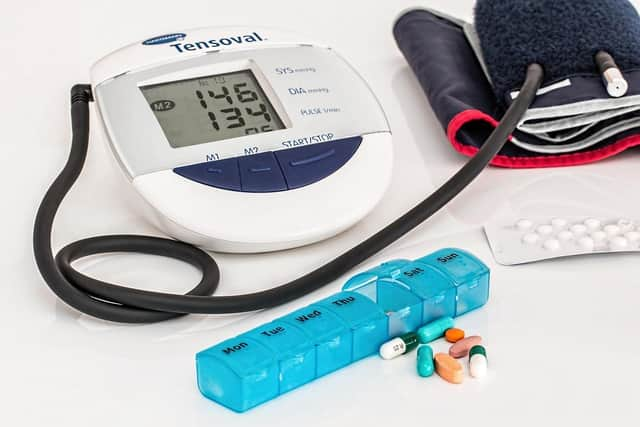
Pharmacies are increasingly being relied upon to pick up the strain. As well as dispensing medicines, they now offer blood pressure checks, contraception, smoking cessation services, flu and Covid jabs, and advice on minor illnesses through the national Pharmacy First scheme.
Despite national changes allowing 100-hour pharmacies to reduce their opening times, Barnsley still has good late-night and weekend coverage, with outlets such as Tesco, Asda and Stone Pharmacy in Darfield offering extended hours.
Council health bosses say that with poor health, housing growth and an ageing population ahead, pharmacies will remain a vital front line, and their role is only set to grow.