
Baby boy dies after being born feet first an hour after mum was sent home from Sheffield hospital
An hour before the disastrous birth baby Ted’s parents were assured that “everything was normal and fine”
A baby boy died after he was born feet first an hour after his mum was sent home from hospital in Sheffield and told “everything was normal and fine”.
Baby Ted died as a result of a brain injury eight days after becoming trapped during the traumatic birth.
An inquest found that the baby would, on the balance of probabilities, have survived if his mum had not been sent home by doctors.
An hour before the disastrous birth, baby Ted’s parents Stacey and Dan Stewart were assured by staff at The Jessop Maternity Wing at Sheffield’s Royal Hallamshire Hospital that “everything was normal and fine” and they were discharged ahead of a planned C-section six days later.
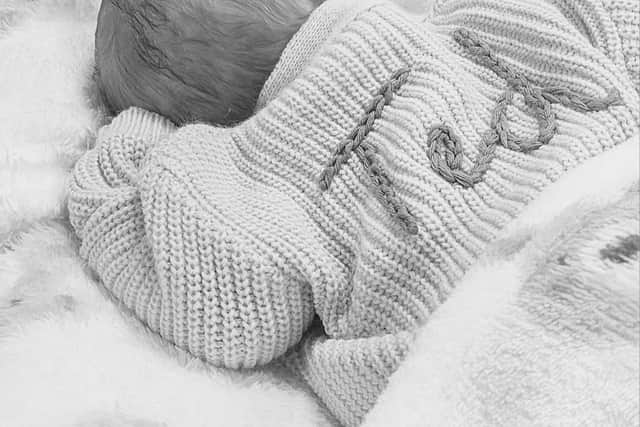

However the couple were not informed that a junior doctor had discovered Ted may have been in an oblique (diagonal) position.
Following the conclusion of an inquest, in a statement they said: “We were not aware of all the facts when we were sent home from hospital.
“Had we been informed of Ted’s oblique position we certainly would have insisted on an ultrasound scan being carried out and would have been very reluctant to leave.
“They reassured us that everything was normal and fine. We are not medically trained and so we trusted the professionals. In many ways, it was their lack of concern which reassured us that everything was ok.”
Coroner Hannah Berry heard Stacey and Dan opted for an elective C-section for Ted’s birth after enduring a traumatic birth with their first child, Ivy.
Hours before Ted’s “feet first’ partial birth, Stacey had attended hospital with bleeding and pain at 38 weeks’ pregnant.
Ted’s position should have triggered a decision for Stacey to undergo an ultrasound scan which would have led to her admission, and would likely have prevented the baby suffering the brain injury during birth, the inquest heard.
The junior doctor was unaware of the significance of Ted’s oblique position and was unable to find any local or national guidance when seeking further clarity in respect of this.
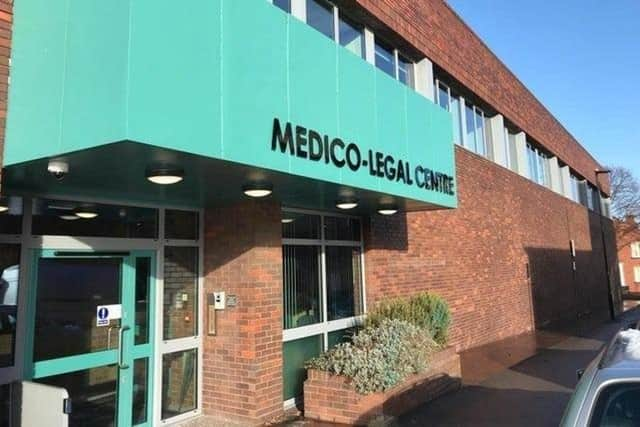
She told a senior obstetric doctor about Ted’s positioning – however he stated he could not recall that happening, Sheffield’s Medico Legal Centre heard.
After being discharged and as soon as the couple arrived home, Stacey experienced more bleeding and painful contractions.
Her waters subsequently broke, with Ted’s feet immediately visible.
Paramedics were called to their home in Chapeltown and Ted was delivered unresponsive enroute to hospital.
He was resuscitated before being taken immediately to intensive care.
Stacey and Dan were told that he had suffered a brain injury caused by a lack of oxygen and reduced blood flow and could not be saved.
Assistant Coroner for South Yorkshire Ms Berry said had Stacey been admitted to hospital, Ted would not have sustained the brain injury from which he died.
She said she was concerned that the lack of specific national or local guidance on best practice when a baby is in an oblique position presented a risk of death in the future.
She confirmed she would be writing to the Royal College of Obstetricians and Gynaecologists and the National Institute for Health and Care Excellence in the form of a Prevention of Future Deaths report.
In a statement Ted’s parents, Stacey and Dan, said: “What we went through, when Ted began was born at home and became stuck was absolutely horrendous. We both felt complete panic and fear.
“A lack of guidance and also a simple lack of communication between midwives and doctors – the most basic of errors and oversights - cost Ted’s life and forever changed our lives as a family.
“Ted’s death was completely preventable. We feel so angry and incredibly let down. Ted remains a very important part of our family and is included in everything we do and is silently part of every decision we make.
“When we go to the beach Ivy always picks a rock to write Ted’s name on or she’ll draw his name in the sand.
“Although Ted was only with us for eight days he made an enormous impact on our lives. When we cuddled him we could see just how perfect he was and all of his closest family got to meet him.
“Ted is a little brother to Ivy who adored him from the moment that she met him. As a parent watching Ivy grieve the loss of her baby brother had added to the heartbreak too and we are trying to navigate this the best we can.”
Professor Chris Morley, Chief Nurse, Sheffield Teaching Hospitals NHS Foundation Trust said: “We know that no apology will ever be enough to lessen the pain of Ted’s death for his parents and family, but we are so very sorry for what happened in 2024 when he was born.
“We took what happened extremely seriously and made changes including refreshed and ongoing training for staff on the use of the Birmingham symptom-specific obstetric triage system.
“We also welcome the Coroner highlighting to NICE and the Royal College of Obstetrics and Gynaecology the lack of national maternity guidance on babies in ‘oblique’ position.”
The government has said NHS maternity services in England need a radical overhaul, after a report found women and babies were being failed "on a scale that shames our society".
Areview by Baroness Valerie Amos found too many women were not being "listened to, heard or believed", with racism and discrimination "embedded throughout the system".
New national standards for emergency maternity care and plans to create 1,000 temporary midwifery posts are due to be announced this week.