
Six ways to talk to your children about racism - amid rising suspensions for 'racist abuse'


Children may see or hear all kinds of racially-charged things, online or at school 💻
- Official data shows that suspensions and exclusions from state state schools have been rising - including for ‘racist abuse’
- An expert says it’s important children feel they can come to their parents with questions, even though it’s not always an easy topic
- As well as checking in on how they feel, it’s important to approach this in an age-appropriate way
The UK is a diverse and multicultural country, and young people growing up here will go to school with and live alongside peers from all kinds of different backgrounds.
But this doesn’t mean it will always go smoothly. Freshly updated government data on exclusions and suspensions at state-funded schools in the 2023/24 autumn term found an increase in suspensions of nearly 40% on the same term in the year before, while permanent exclusions shot up nearly 35% - both also higher than the pre-pandemic autumn term.
While persistent disruptive behaviour was the most common reason for both, more than four thousand secondary school students and 644 primary school pupils were suspended for racist abuse in that term alone. The data showed this figure has grown steadily since the 2021/22 summer term.
Also in the last autumn term, 21 secondary school students and four primary school children were permanently excluded for racist abuse. This means that children may be coming into contact with concerning behaviour or unfamiliar discussions about race at school. At the same time, they may also be exposed to complicated or frightening situations on social media, or in the news.
The UK’s only newspaper specifically for young people - First News - recently worked with children’s rights charity Save the Children UK’s chief of staff, Reema Malhotra, to create a guide for parents trying to navigate these sometimes tricky conversations. Here were some of her tips:
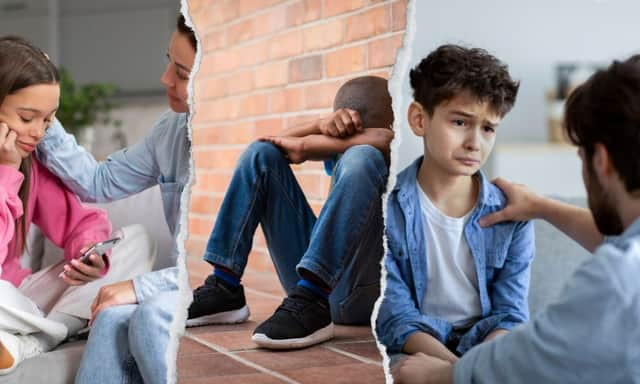
Tips for talking to your child about racism
1. Reflect on what you know - and acknowledge what you don’t
Taking time to reflect on yourself before tackling this difficult topic can be important. Ms Malhotra recommends parents have a think about their own beliefs, biases and understandings of race, inequalities, class and identity are important. “Your lived experiences, your level of privilege and how you interpret the current events may influence how you talk to your children about such topics.”
You don’t have to become an expert, but you can take it upon yourself to get informed. You should use multiple sources to avoid bias, and fact-check information you read and share with your child as well - often the real situation can be quite different or more nuanced than a single snapshot shows.
Finally, it’s okay if your child asks you a question you don’t know the answer to. You can always research it and get back to them, which helps you both learn together.
2. Monitor your child’s emotions - and consider clamping down on social media use
In times of trouble, like the racially-charged 2024 riots, videos of violence or extreme hate can proliferate on social and news media alike. This can leave young children feeling upset, confused, and anxious.
Ms Malhotra says that it is important to keep an eye out for your child becoming overwhelmed, so you can adjust as needed. This could include limiting their time spent on social media “based on what you feel is right for you and your family”. She also suggests parents consider speaking to children about what is being shared online in their friendship groups, “so you can understand what they are viewing”.
But at the same time, she recommends letting your child know that you are happy to keep talking about these issues, “and they should, too”.
3. Talk about race in age-appropriate ways
Children will start to notice differences between themselves and others from a young age. This is a golden opportunity to start having conversations about these differences, in a way that works for their age group.
Children in their early years might point out things they notice, like someone with a different skin tone. Ms Malhotra says you could try saying something like: “Isn’t it wonderful that we are all so different! This is what makes us all so special.”
You can start having more open conversations with your child about race, diversity and discrimination in their primary school years. “Discussing these topics will help your child see you as a trusted source of information on the topic, and they can come to you with any questions. Point out stereotypes and racial bias in media and books such as villains or ‘bad guys’ in films.”
4. Listen to and encourage your child
While sometimes difficult, conversations around race are important to have. Your child may hear, read, or see things that are insensitive at any time - or even experience racial bias themselves.
It is important to take stock of their feelings about this, Ms Malhotra adds. You can further the discussion with questions like: ‘How do you feel about that?’ or ‘Why do you think that?’
Whether they be angry, scared, shocked, sad or confused, parents should encourage them to talk about these feelings with someone they trust. But she says you might also have to be patient. “If your child isn’t able to express how they feel or things don’t make sense, that’s okay, too – it can take time to process what is going on.”
5. Correct misinformation
If your child repeats misperceptions, stereotypes or misinformation about people of a different race, Ms Malhotra recommends correcting them. “Help your child better understand that no one is less human than another, and we should treat everyone fairly, with respect and kindness”.
6. Be a good role model
As children grow beyond their early years, they will often reflect the views and behaviors of the people who mean the most to them. This means how you act and treat others can make a big difference.
“Stereotyping, jokes at the expense of others, subtle and not so subtle remarks of displeasure or disdain can shape children’s views. The absence of positive expression or images matter as well, so model thoughtful, inclusive behaviour,” Ms Malhotra says.
But it was also important to recognise what is and isn’t in your power. While you can “think about what you can personally do to take action and stand up for what is right”, and keep an eye on where your children get their information, they will also learn from their teachers, coaches, friends, and the views they are exposed to in the media.
This article is produced in partnership with First News, an award-winning newspaper for UK children read by 2.2 million each week. To find out more about getting First News at home or in your child’s school, or even to browse its other online offerings for young people, you can visit its website here.