

Historic England is calling on people across Yorkshire to submit their nominations for the person they would most like to see recognised with a prestigious Historic England blue plaque, before nominations close on Sunday, July 28.
We have taken a look at the criteria, and have created a gallery below of seven people we think would qualify.
The organisation’s new national blue plaques scheme aims to highlight the stories of inspirational people from all walks of life throughout history. So far there has been a lower number of nominations from Yorkshire so Historic England wants to boost numbers and increase representation.
Many areas have plaques schemes run by civic societies, local government bodies, history groups and voluntary associations, though not all do. The new national programme aims to complement these existing local schemes and help yet more people celebrate their heritage, particularly in places where there is no existing plaque scheme.
Ellen Harrison, Participation and Learning Director of Historic England said: “People and places are the cornerstones of communities around England. Our Blue Plaques scheme aims to champion this, shedding light on inspirational stories from across the country. So many people from Yorkshire have helped to shape our collective identity but we want to hear from you about who should be commemorated with a prestigious blue plaque. We are excited to extend the nomination period and hope that more people throughout Yorkshire will be galvanised to share what they know about the people and places who help to tell this region’s story.”
Tom Frater, Regional Director for the North East and Yorkshire of Historic England said: "Blue Plaques are a fantastic way to celebrate the human stories that make Yorkshire a special place. From industrial pioneers to cultural icons, we want to harness Yorkshire's passion for our heritage and ensure the region gets its share of this new national scheme."
Thanks to the newly extended deadline anyone in Sheffield can nominate individuals of their choice for a blue plaque via the Historic England website until Sunday, July 28.
To be eligible, the person being nominated must:
1. Have died at least 20 years ago
2. Have made a significant contribution to human welfare or happiness and/or who have made an exceptional impact in their field, community or on society at large
3. Have at least one building associated with them that survives from the time of their occupancy and where a plaque would be clearly visible from a public highway. Blue plaques celebrate the relationship between people and places, for example where they were born, worked, lived or died. Because of this, plaques need to be on surviving buildings where there is evidence of a meaningful connection with the person commemorated.
The full criteria can be found on the Historic England website .
In order to encourage a wide range of blue plaque nominations from the public, Historic England have also invited community groups to apply for its new Community Research Grants via their website.
These grants are available for organisations working with historians or researchers who want to uncover hidden figures from the region’s history.
Historic England hopes that through funding this work there will be an increase in the diversity of people nominated for blue plaques and that this new research will uncover untold stories in different communities and places. Funding will be up to £7,000 per project.
Applications for Community Grants close on July 28
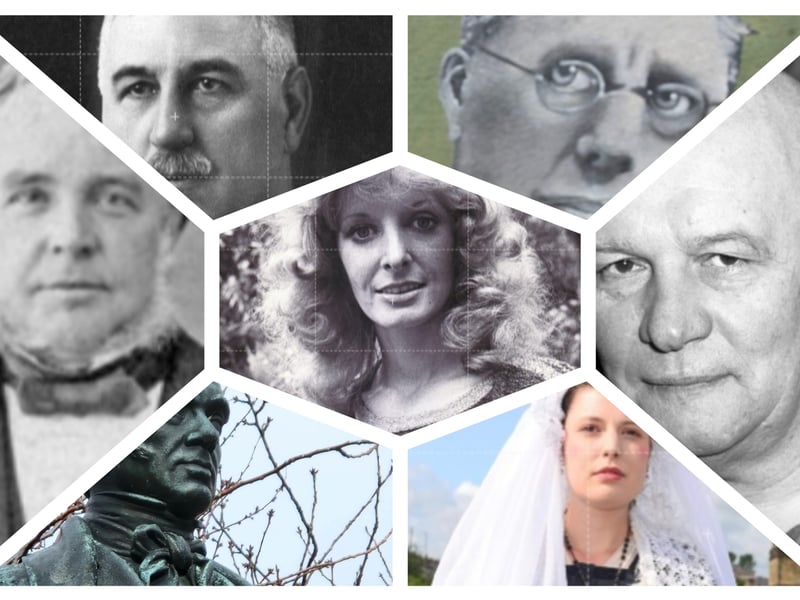
1. Great Sheffielders
We have put together a gallery of seven great Sheffielders who we think would be eligible for a blue plaque from Historic England | National World, PA, Picture Sheffield Photo: National World, PA, Picture Sheffield
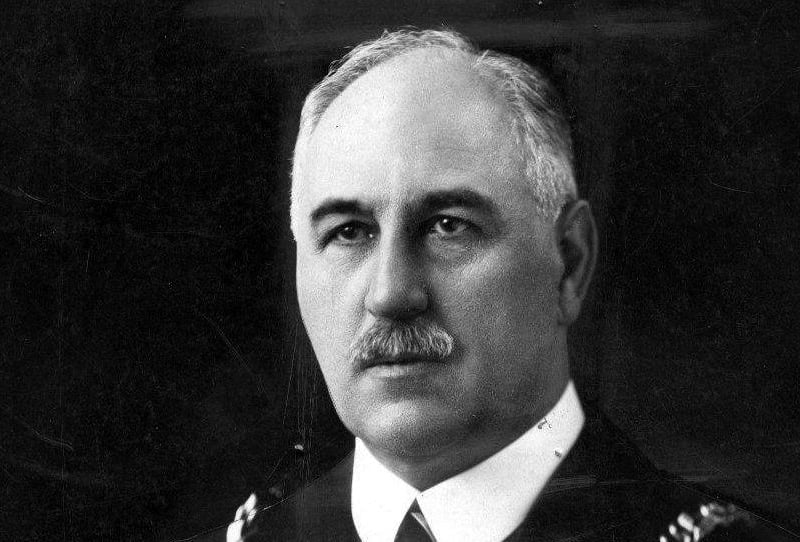
2. JG Graves
Philanthropist John George Graves moved to Sheffield aged 14, and went on to set up a mail order business which employed 3,000. It went on to be taken over by Great Universal. He donated over £1 million to Sheffield, including the land that now forms Graves Park, and a trust still bears in his name, nearly 70 years after his death, aged 79, in 1945. Photo: Picture Sheffield Photo: Picture Sheffield
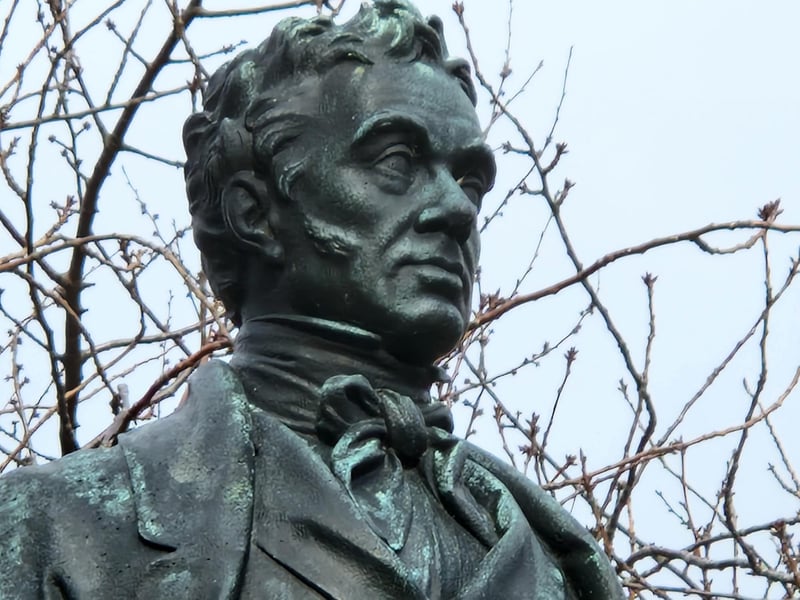
3. Ebenezer Elliott
Ebenezer Elliott was voted into 12th place. Born in Rotherham, Elliott was known as the Corn Law rhymer for his leading the fight to repeal the Corn Laws, which were causing hardship and starvation among the poor. Elliott became well known in Sheffield for his views on changes that would improve conditions for both manufacturers and workers, and set up the Sheffield Mechanics' Anti-Bread Tax Society founded in 1830. Four years later, he was behind the establishment of the Sheffield Anti-Corn Law Society. He is honoured with a statue in Weston Park. Photo: David Kessen, National World | National World Photo: David Kessen
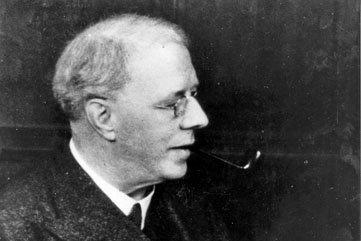
4. Harry Brearley
The Sheffield born son of a steelworker. Harry Brearley is credited with the invention of stainless steel. His invention brought affordable cutlery to the masses, and saw an expansion of the city's traditional cutlery trade. He died in 1949, aged 77. Photo: Picture Sheffield | Picture Sheffield Photo: Picture Sheffield