
Expert warns lonely Brits in the run-up to Christmas: You are prime targets for these sophisticated types of scams and reveals how to stay safe
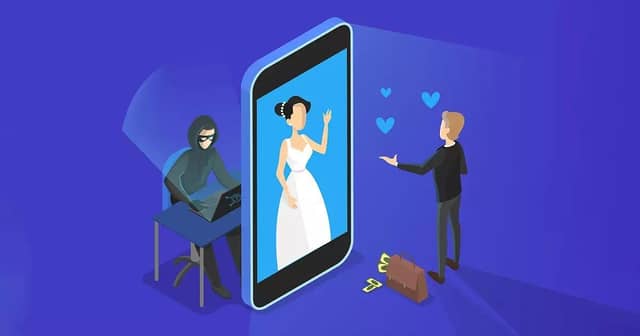

Loneliness tends to creep in long before Christmas Day arrives, especially during the darker weeks of December when everyone else seems to be wrapped up in festive plans.
For many people, it is a time that should feel warm and sociable but instead becomes a season of isolation, making them more vulnerable to those who deliberately prey on emotional gaps. Fraudsters know this all too well and are already ramping up tactics designed to catch out anyone who may be feeling overlooked, overwhelmed or simply craving conversation.
Tech expert Andrew Witts from Studio 36 Digital says this combination of loneliness and seasonal stress is exactly what scammers bank on. He warns that criminals are becoming increasingly strategic in the way they target victims in the run up to Christmas, particularly through romance scams and impersonation attempts that often appear benign at first glance.
According to the Office for National Statistics, around 3.8 million adults in the UK report feeling lonely “often or always”, and loneliness peaks during winter months. Action Fraud has also confirmed that reports of romance fraud rise significantly between November and February each year, costing victims tens of millions of pounds annually.
He explains that this isn’t a coincidence. “Scammers deliberately target people when they’re feeling disconnected. Christmas makes that feeling sharper, so the risks rise,” he says.
The rise of romance and impersonation scams
While the nature of fraud evolves every year, Andrew says two types become especially prevalent at Christmas: romance scams and impersonation scams. These rely less on technical trickery and more on emotional manipulation, which makes them harder for victims to recognise until it is too late.
“Criminals have realised that earning someone’s trust is far more powerful than any piece of malware,” Andrew says. “They study their victims, learn their routines and find clever ways to build a relationship that feels safe. Once your guard is down, it becomes much easier for them to push you into handing over information, money, or access.”
Romance fraud often begins with a perfectly friendly message on social media or a dating app. Scammers usually steal photographs, invent backstories and maintain daily communication to mimic a genuine bond. They tend to escalate requests slowly, moving from personal details to financial help.
Andrew says the pattern is frighteningly predictable. “Scammers will tell you exactly what you want to hear. They compliment you, they empathise, they appear when you need them the most. But the moment they ask for money or try to steer the conversation towards secrecy, that is your warning sign.”
Impersonation scams follow a similar emotional script, although the fraudster pretends to be someone familiar or trustworthy. This could be a family member asking urgently for help, a courier chasing payment, or even a supposed representative from a bank or utility provider.
According to data from UK Finance, impersonation fraud rose by nearly 20 percent last year, with scammers increasingly posing as legitimate institutions. Seasonal pressures such as last-minute deliveries, Christmas travel and online shopping make it easier for them to slip into a victim’s inbox unnoticed.
“Fraudsters know people are distracted,” Andrew says. “When your mind is on presents, travel plans, or bills, you are more likely to believe a message claiming your parcel is stuck or your bank account has been compromised.”
How loneliness fuels vulnerability
Loneliness doesn’t cause fraud, but it does create the emotional conditions scammers exploit.
“The danger is not just feeling alone. It is the human instinct to respond warmly when someone shows interest or affection,” Andrew explains.
“Scammers weaponise kindness. They will make you feel valued, wanted, even loved. And that is exactly why so many smart, capable people fall for these scams.”
Research from Age UK shows that over half of people aged 65 and over who reported being scammed said they had been feeling lonely or isolated beforehand. But Andrew emphasises that this issue affects every age group.
“People think romance scams only target older individuals, but that is completely wrong,” he says. “Anyone can fall victim. Students, single parents, professionals, people in their twenties and thirties. Loneliness does not discriminate.”
He adds that even those who would normally spot red flags may struggle more during winter. “Shorter days, financial stress, social pressure. It all piles up. Scammers study these moments and strike when your judgement is clouded.”
How to spot a scam before it hooks you
Andrew says the key to protecting yourself is understanding the tactics scammers rely on. He shares several early warning signs.
“Scammers will push for fast decisions because pressure makes people panic,” he says. “If someone insists you keep your conversations secret, that is a major sign of manipulation. And if they refuse to video call or always come up with excuses to avoid meeting in person, you should assume something is wrong.”
Another red flag is any request for money, no matter how small or emotionally framed. “A genuine romantic connection will never hinge on you sending cash to someone you have never met,” Andrew says. “They might say it is for travel, medical costs, or an emergency, but it always ends the same way. The money disappears and so do they.”
He also warns that impersonation messages often rely on creating panic. “If a so-called official asks for your PIN, your password, or any sort of transfer, end the conversation immediately. Real organisations do not behave like this.”
How to protect yourself and others this Christmas
Andrew stresses the importance of slowing down and seeking advice before acting on unexpected messages or emotional pleas.
“My biggest advice is simple. Pause,” he says. “Take a break from the conversation, check the facts, talk to someone you trust. Scammers hate delays because delays break their spell.”
He also encourages people to look out for friends, neighbours and relatives who may be more isolated this year. “One conversation can genuinely stop a scam in its tracks,” he says. “If someone knows they can ask for help, they are far less likely to fall victim.”
“Fraudsters steal more than money,” Andrew says. “They steal confidence, peace of mind, and trust. But the more we talk about these scams, the less power they have.”