
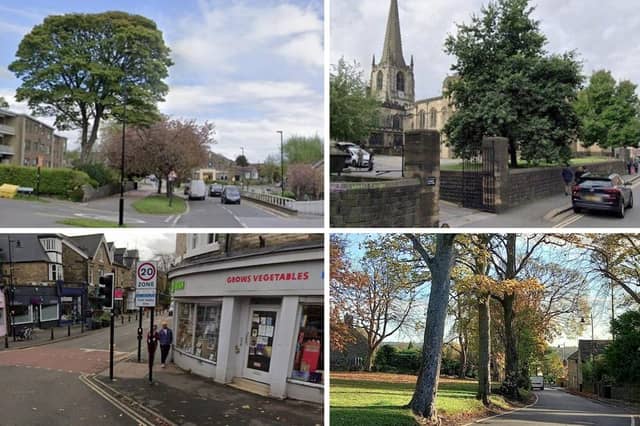


As part of the 2021 census, households in England and Wales were classified in terms of four different "dimensions of deprivation”. Households were considered to be deprived if they met one of the four following criteria:
• Employment: if any member of the household, who is not a full-time student, is either unemployed or long-term sick
• Education: if no-one in the household has five or more GCSE passes, or equivalent, and no-one aged 16 to 18 is a full-time student
• Health and disability: if anyone in the household is in bad or very bad health or is disabled
• Housing: if the home is either overcrowded, in a shared dwelling or has no central heating
The Office for National Statistics said deprivation is a "complex topic", adding that more detailed information would come in future releases.
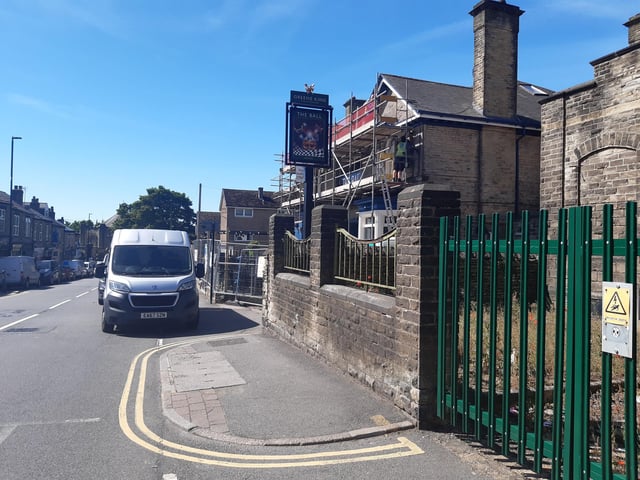
5. Crookes
The ninth least deprived neighbourhood was Crookes. Of the 2,719 households in this area, 57.7 per cent were not deprived. Photo: .
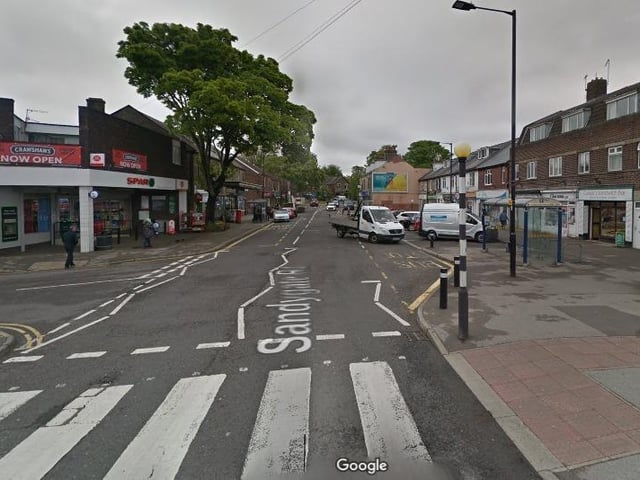
6. 8 Sandygate and Crosspool.jpg
The eighth least deprived neighbourhood was Sandygate & Crosspool. Of the 2,675 households in this area, 57.7 per cent were not deprived. Photo: .
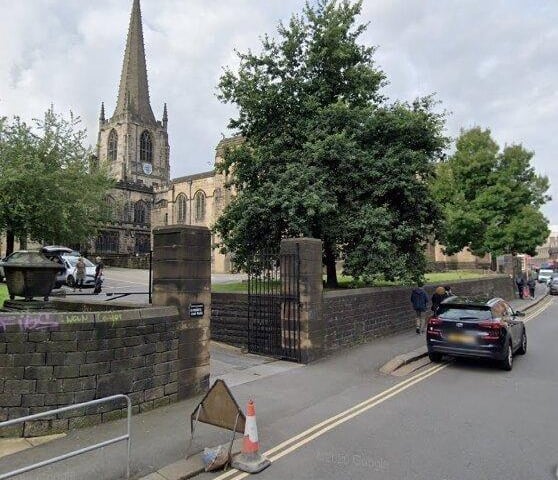
7. 7 Cathedral & Kelham.jpg
The seventh least deprived neighbourhood was Cathedral & Kelham. Of the 4,058 households in this area, 58.4 per cent were not deprived. Photo: ,
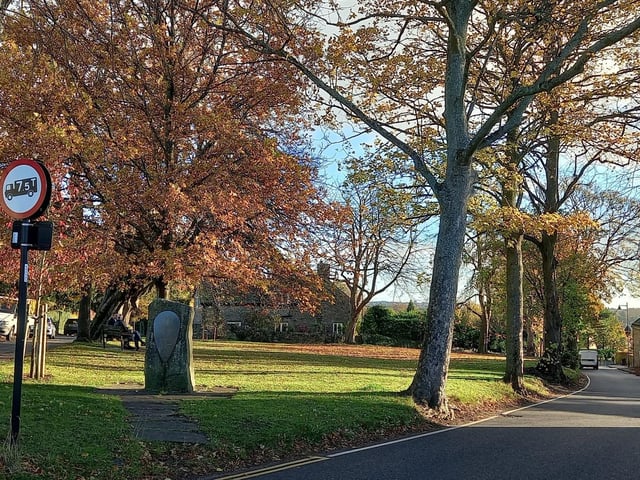
8. Dore & Whirlow
The sixth least deprived neighbourhood was Dore & Whirlow. Of the 4,476 households in this area, 60 per cent were not deprived. Photo: .