

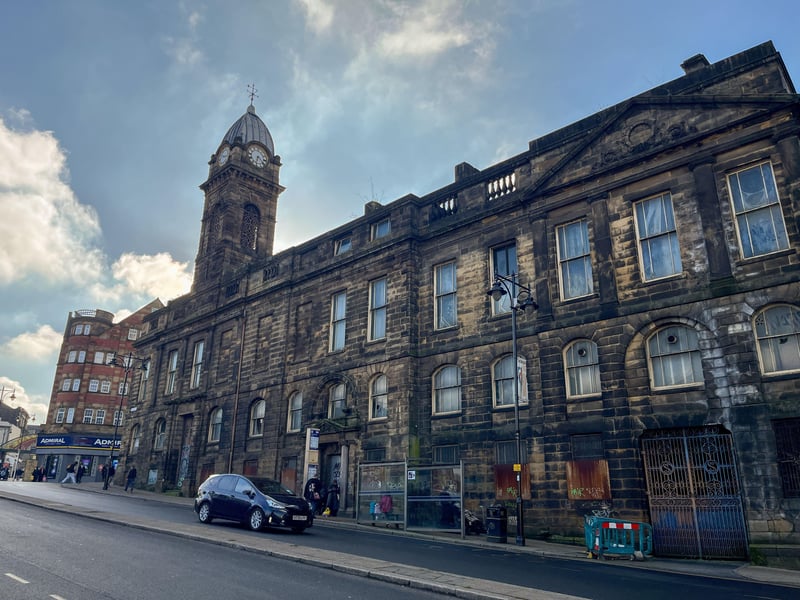
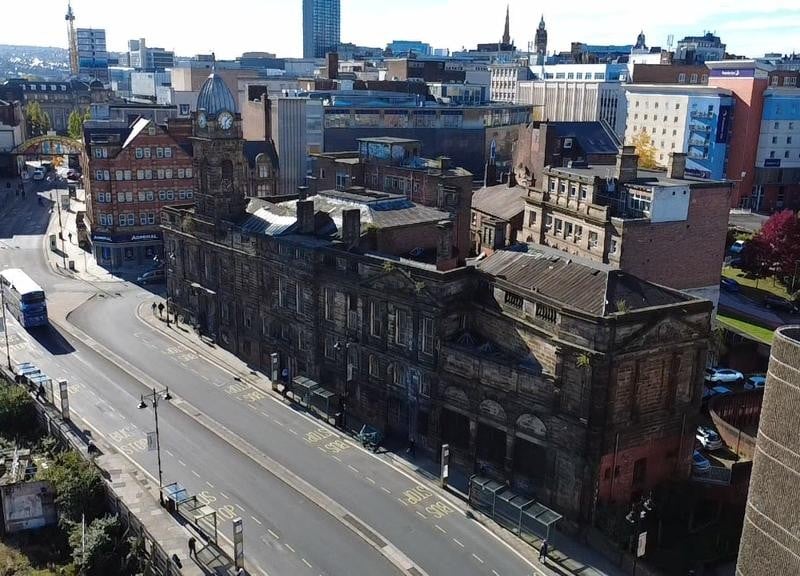
The Grade II listed building between Castle Green and Waingate had a guide price of £500,000 in the Mark Jenkinson auction which started yesterday and ended today (Wednesday, November 26).
The 24-hour auction quickly attracted a bid of £490,000.
Nothing further happened until a flurry of 11th hour bids before it ended this morning.
The final bid was £495,500 - some £4,500 below the guide price.
It was also £104,500 below the £600,000 Mr Ata paid for the building in 2021.
If bids for a property do not meet the guide price, a sale would not normally go ahead at that time if bidding also failed to reach the secret ‘reserve’ price - the minimum a seller will accept.
In those circumstances, the property would normally be withdrawn, but the auctioneer may try to arrange a sale with interested bidders afterwards for a price closer to the guide or reserve.
Formerly the city’s town hall and law courts, the Old Town Hall dates back to 1808. It has been disused for 30 years.
Mr Ata registered a business called The Court House Apartments (Sheffield) Ltd when he bought it, giving an indication of a possible use.
The Friends of the Old Town Hall claim no maintenance or repair work has taken place during his ownership and it could cost up to £30m to restore the building.
Have a look at our gallery of photos to see its condition today.
2. 217 years
Dating back to 1808, the Old Town Hall was a home of local government and a courthouse, with a spell as police station. It has been disused since 1995 when the courts moved to the new law courts in West Bar. | Mark Jenkinson
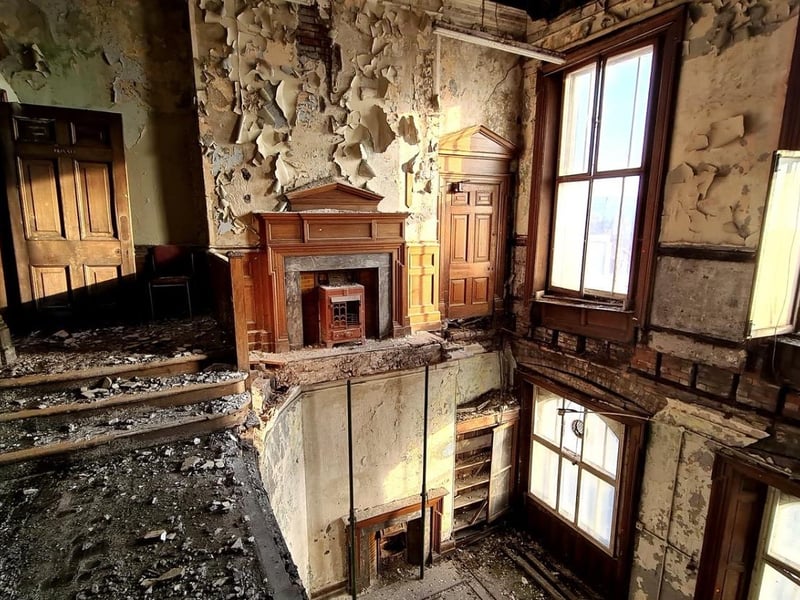
3. Floor missing
Photo of the judge's room in the Old Town Hall in 2022 shows the extent of decay in some areas. It is from 'Sheffield In Ruins', a book by local publisher Revelations 23 press. | Revelations 23 press Photo: .
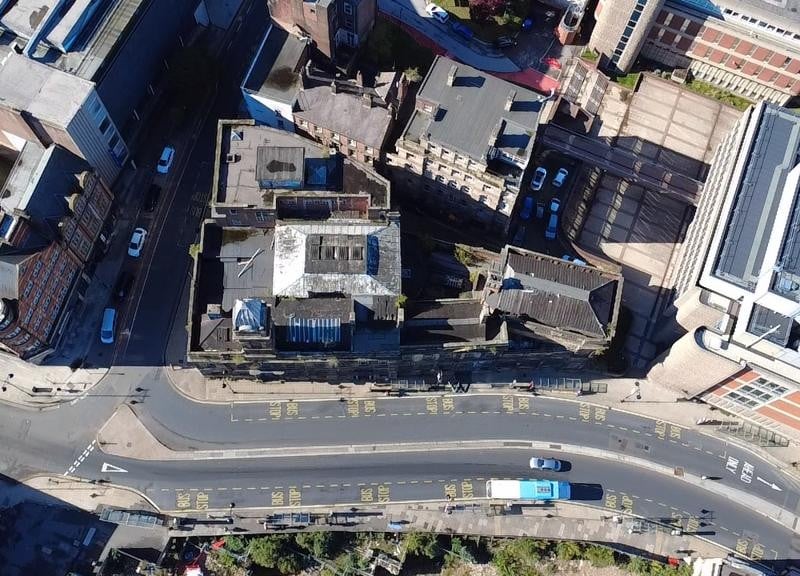
4. Historically important
The Friends group say it is important in the city’s history. It is where the bodies of the five men shot dead by the yeomanry at a political demonstration in 1832 were laid. It’s where victims of the Sheffield Flood in 1864 came for support, where Charlie Peace was arraigned for murder in 1878, where relief following the Sheffield Blitz in 1940 was organised and where trials of striking miners in connection with the coal strike of 1984 spectacularly collapsed. | Mark Jenkinson